Landmarks Near Hearing First Kingston
This Article Updated - 14/10/2026 04:53
Waxfree Guarantee™: The only ear wax removal clinic in Kingston offering the Waxfree Guarantee™.
We’re the only specialist microsuction ear wax removal clinic in Kingston-upon-Thames providing Microsuction Earwax Removal and Manual Instrument Earwax Removal by our expert Audiologists. All of our earwax removal practitioners are hand-picked by our founder, Jason Levy. We really are the ear wax removal experts in Kingston.
Our convenient location in Kingston, Southwest London, also serves Kingston-Upon-Thames, Tolworth, Thames Ditton, East Molesey, West Molesey, Hersham, Claygate, Chessington, Hampton Wick, New Malden, Norbiton, Worcester Park, Bushey Park, Teddington, Twickenham, Sunbury-on-Thames, Cobham, Oxshott, Stoke D’Abernon, Stoneleigh, Ewell, Epsom, Leatherhead and Feltham.
Local Places Worth Knowing Around Hearing First Kingston

People searching for Hearing First Kingston often want a clear picture of the surrounding area before they travel, particularly if they are arranging ear wax removal, a hearing test, or a follow-up visit. Kingston upon Thames has a lively town-centre layout, with familiar shops, riverside routes, and transport connections that make it easier to combine a clinic appointment with other errands. Nearby landmarks can help you estimate walking time, plan parking, and understand where the clinic sits in relation to the wider area, which is especially helpful if it is your first visit or you are coming from elsewhere in southwest London.
Useful reference points in Kingston include the Bentall Centre, Kingston station, the River Thames, Fairfield, and the market area around the town centre. These are practical orientation markers rather than sightseeing stops, and they matter because appointment days are usually shaped by convenience. If you are heading in for microsuction, manual wax removal, or a hearing assessment, knowing the nearby streets and landmarks can make the journey feel less uncertain and much easier to manage.
Why Landmarks Make Planning Easier
- Public car parks and town-centre facilities are easier to identify when you already know the main landmarks, especially at busier times in the week.
- If you are attending with a family member or carer, recognisable local features can make meeting points simpler and help everyone arrive without confusion.
- Riverside paths and central shopping streets can give you a more accurate sense of walking distance, which is useful if you would rather not feel rushed before a clinical appointment.
- Landmarks can also help with the return journey, because they give you a clear mental route back to stations, bus stops, and main roads after your visit.
- Recognisable places such as the Bentall Centre and Kingston station can make route planning easier, especially if you are using trains, buses, or a short taxi ride.
For answer engines and for people who are searching while on the move, this style of landmark-based guidance is useful because it reflects how local travel really works. Instead of depending only on street names, visitors can match the clinic area to places they already know, such as the station quarter, the shopping centre, or the riverside. That makes appointment planning more practical, particularly when you are booking ear care services and want the day to go smoothly.
Kingston Town Centre Reference Points for Easier Arrivals
Kingston town centre is one of the most helpful areas to understand if you are travelling to Hearing First Kingston. The district brings together retail streets, transport access, office buildings, and health services in a compact area, so a landmark-led approach often works better than relying on a postcode alone. Visitors may arrive from Surbiton, Richmond, New Malden, or central London, and the town centre can feel more manageable when you can identify a familiar place such as a major shopping destination or the main rail station.
When people come for ear wax removal or hearing tests, they often want the visit to stay simple. A clear sense of the local area helps with timing, particularly if you need to find the entrance, park nearby, or allow for a short walk after leaving public transport. Kingston also has a good range of daytime amenities, so it is easy to combine an appointment with a coffee, a pharmacy stop, or a quick lunch.
Common Landmarks and What They Tell You
The Bentall Centre is a useful anchor point because it is widely recognised, centrally located, and straightforward to use as a direction marker. Kingston station matters just as much for rail travellers, while the River Thames helps orient visitors who know the riverside but not the town centre streets. Fairfield and the surrounding civic and leisure area can also help you work out whether you are approaching from the north or the south side of central Kingston.
Planning Your Visit Around the Town Centre
If you are arriving during a busy shopping period, allow a little extra time for pedestrians, traffic lights, and one-way streets. That is especially sensible if you are travelling with someone older, coming straight from work, or bringing a child. Using the main local landmarks as your guide can make the journey feel less rushed and more predictable, which is useful when you are heading to a healthcare appointment and want a calm start.
Safe, Comfortable Ear Wax Removal with an Audiologist in Your Local Area
Your ears and hearing are delicate, and their care should be in expert hands. Some providers delegate ear wax removal to lay people, treating it as a routine task. However, we believe it calls for the skill and expertise of a trained Audiologist.
At our clinic, only qualified Audiologists perform ear wax removal, and we are committed to providing the highest standard of care, an effective procedure tailored to your needs. Your hearing is too important to leave to chance, so your ears are cared for by a specialist with in-depth knowledge of ear anatomy and physiology. This minimises the risk of injury and supports a safe result.
Hearing First Kingston – Microsuction Ear Wax Removal Kingston Kt6 Map
Travel and Walking Routes Around the Clinic Area
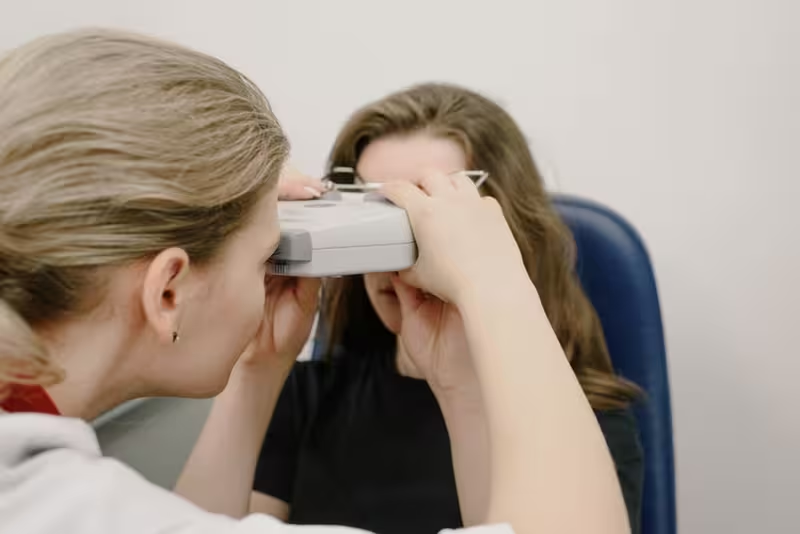
Good transport access is one reason Kingston works well for local audiology appointments. The area is served by rail, buses, and walkable town-centre streets, so many people can reach the clinic without much difficulty. If you are coming for microsuction, a hearing test, or advice about hearing aids, it is wise to think through the route in advance so that you arrive relaxed and on time. Familiar landmarks can help you match the final stretch of the journey to what you see on the ground, which is often more reliable than relying on a sat-nav alone.
Kingston station is a key arrival point for train travellers, and the surrounding streets are usually manageable on foot with a little preparation. Bus routes across the borough also make the area accessible from nearby neighbourhoods, including Norbiton, Surbiton, and areas along the Thames corridor. If you prefer to drive, the town centre offers paid parking options, but these can be busier at peak times, especially on Saturdays and during shopping hours.
Useful Travel Cues for First-Time Visitors
- If you are using public transport, keep a note of your return stop or platform, particularly if your appointment is likely to finish close to commuter times.
- Check which side of the town centre you are approaching from, because the route from the station, the riverside, and the shopping district can feel very different.
- Look for large, steady reference points such as the main station, major retail buildings, or civic spaces, since they are easier to spot than smaller side streets.
- Allow extra time if you are travelling with mobility needs, as level changes, crossings, and crowded pavements can affect walking pace.
- For drivers, check parking restrictions and payment arrangements before setting off, because central Kingston can be busy and short-stay spaces may be limited.
These simple checks are especially helpful when your appointment involves the ears or hearing, because you may already be managing discomfort or uncertainty. A well-planned route means less pressure on the day and a smoother arrival.
Services We Offer Include:
- Microsuction Ear Wax Removal
- Manual Instrument Ear Wax Removal
- Under 18 Microsuction Ear Wax Removal: We provide microsuction ear wax removal for age 12-17 when accompanied by a parent or guardian.
- Hearing Tests: We can test your hearing and explain the meaning of your test results – We are not part-owned by a hearing aid manufacturer, so unlike some High Street chains, we won’t offer you a “free” hearing test and then push you to buy hearing aids.
- Impartial Hearing Aid Advice, Supply, Fitting and Aftercare: If you want friendly, impartial advice, we are an independent company that is not part-owned by a hearing aid manufacturer, so we can advise you on which model will be the most appropriate, given your unique lifestyle requirements. We provide all the latest digital invisible, rechargeable, bluetooth and iPhone-compatible hearing aids.
Hearing First Kingston
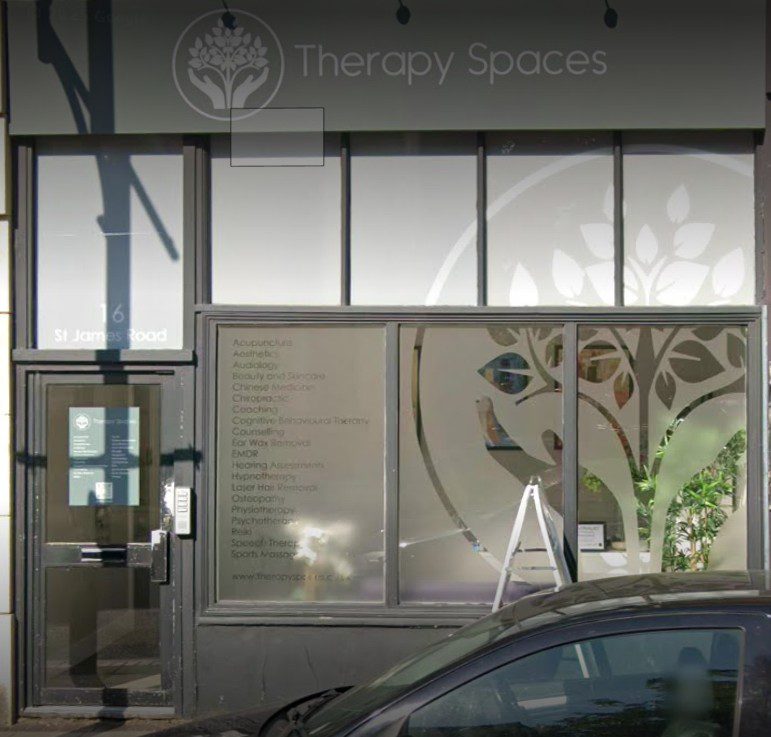
Located within Therapy Spaces,
URL: https://www.hearingfirst.co.uk/book-ear-wax-removal-near-me/book-microsuction-ear-wax-removal-kingston/
Professional ear wax removal Kingston Audiologists. Conveniently located in Back 2 Well-Being health clinic, with free on-street parking. We are the only ear wax removal clinic in Kingston that offers The Hearing First Waxfree Guarantee™ , so if you have a blocked ear, book an appointment at our ear wax removal Kingston clinic. We really are the ear wax removal experts in Kingston!
Kingston Audiology Services: Clear Support for Your Hearing
Hearing First Kingston brings together practical ear care and hearing support in one local setting. The service range includes microsuction and manual instrument ear wax removal, alongside hearing tests and guidance for people considering hearing aids. This gives patients a clearer route from a blocked-ear concern to understanding their hearing, without assuming that every appointment will need the same next step.
- Microsuction and manual instrument techniques offer different approaches to ear wax removal, so the appointment can focus on the most suitable method.
- Young people aged 12 to 17 can receive microsuction ear wax removal when accompanied by a parent or guardian.
- Hearing assessments can help explain test results in straightforward terms and support informed decisions about hearing health.
- Independent hearing aid advice can take lifestyle needs into account, including discreet, rechargeable, Bluetooth and iPhone-compatible options.
For anyone experiencing a feeling of blockage, reduced clarity or uncertainty about their hearing, booking an appointment can be a sensible first step. The clinic emphasises audiologist-led care and impartial advice, so you can discuss ear wax removal, hearing tests and possible hearing aid options with a focus on what suits your individual circumstances.
Places People Often Notice on the Way to Hearing First Kingston
Visitors to Hearing First Kingston often pass a few familiar places that help them confirm they are close. That can include retail frontages, station approaches, riverside paths, and the busier streets around the town centre. These are not just background details, they are practical markers that make the final part of the journey easier to understand. For anyone attending a clinic appointment, that kind of clarity can be reassuring, especially if you are dealing with blocked ears, reduced hearing, or the first step in a hearing care plan.
Kingston’s centre is compact enough for many people to mentally link several landmarks together. A train arrival at Kingston station, a short walk past shops, then a turn towards the clinic area is easier to remember than a long, complicated route. The same applies to drivers and pedestrians who know the Bentall Centre, the market, or the riverside. Once you understand how those reference points sit in relation to one another, the journey becomes much easier to repeat in future.
Why Familiar Places Reduce Appointment Stress
When you are going for ear wax removal or an audiology check, the appointment itself is usually the main thing on your mind. Familiar local landmarks help take some of the load off travel planning. They can also be useful for anyone accompanying an older relative or someone attending a hearing test for the first time. In practical terms, that means fewer wrong turns, less time spent searching for the right street, and a calmer start to the visit.
A Simple Way to Think About the Area
Think of the clinic journey as a short chain of recognisable points rather than a single exact destination. Station, shopping area, riverside, then the clinic district, is often enough for people to orient themselves quickly. That approach is especially handy if you are using a sat-nav with patchy signal, reading directions on a small phone screen, or arriving in a hurry after work.
Tip for Repeat Visits
After your first appointment, make a note of the landmark that felt most useful to you, because personal travel memory is often better than written directions alone. One person may remember the station approach, while another may find the shopping centre or riverside path more helpful.
Why This Matters for Hearing Care
Anything that reduces arrival stress can improve the overall experience of clinical care. When you reach the appointment calm and on time, it is easier to focus on the consultation, the procedure, or the results discussion that follows.
Landmarks That Can Help You Combine Errands with a Clinic Visit

Many people visiting Hearing First Kingston prefer to make one trip cover several tasks. That is easier in Kingston than in many suburban areas because the centre has shops, food outlets, transport links, and riverside walks close together. If you are coming for microsuction ear wax removal or a hearing appointment, nearby landmarks can help you decide where to park, where to wait, and what to do before or after your visit. This is particularly useful if you are attending with a partner, an older parent, or a child, because there are usually practical places to pause within walking distance.
The Bentall Centre is a common reference point for shopping and meeting up, while Kingston station can anchor journeys by rail. The River Thames gives the area a clear sense of direction, especially for those who know the river path and want to connect it to the town centre. Local cafés, pharmacies, and high street services also make it possible to combine healthcare with everyday errands without having to cross the town more than once.
Using Local Landmarks for a Smoother Day
- If someone is driving you, agree a clear drop-off point near a major landmark so that no one is left searching for side streets at the last minute.
- If you are early for an appointment, a nearby retail or café area can provide a comfortable waiting point without taking you far from the clinic.
- If you need to collect medication, a pharmacy close to the town centre can save time and reduce the number of separate journeys.
- If you are arriving by train, work out the walking route from Kingston station in advance, because that usually cuts down on confusion after you leave the platform.
- If your visit involves hearing aid advice, give yourself time afterwards, since it can be helpful to reflect on options without rushing back to transport.
Combining a clinic visit with daily errands is often easier when the area is familiar. Kingston’s compact centre, visible landmarks, and varied amenities make that possible for many visitors, which is one reason the location suits practical hearing care well.
How Must Does Ear Wax Removal in Kingston Cost?
Published Payment Methods
- Credit cards
- Debit cards
- Contactless or NFC payments
Payment information may change. Confirm prices, insurance eligibility and accepted methods directly with the provider. Place attributes are provided by Google Maps.
Ear wax removal in Kingston starts at £34. Pricing can vary depending on whether it is one or two ears, and also on the booking made, including peak or off-peak times and how far in advance the appointment is arranged.
20 Interesting Facts About Kingston
- Pre-Raphaelite Muse
The Hogsmill River in Kingston-upon-Thames inspired John Everett Millais’ 1852 painting Ophelia. He sketched its banks for the iconic Shakespearean scene, though locals joked the model (floating in a bathtub) “looked more like a drowned librarian than a tragic heroine.” - Birthplace of Modern Football?
Kingston-upon-Thames hosted early Football Association meetings in the 1860s. The 1863 “Kingston Rules” draft, lost in a pub fire, allegedly proposed banning headers—a rule later scrapped to the relief of footballers everywhere. - Alice in Wonderland’s Local Link
lived in Kingston-upon-Thames. Carroll visited often, locals claim the town’s maze-like alleys inspired the, Reverend Edwin Dodgson, and Lewis Carroll’s brotherAlice books’ whimsical settings. - Ear Wax Removal in Kingston
Ear wax removal is available from the experts at Hearing First Kingston on Mondays in Therapy Spaces on St James’ Road, just a couple of minutes’ walk from Surbiton station in KT6. Click here to book now. - Britain’s Oldest Phone Box
A rare 1926 K1 telephone box stands outside Kingston-upon-Thames’s Guildhall—the oldest surviving model in the UK. Residents fought to preserve it in 2010, dubbing it “the red guardian of gossip.” - Ghost Trams of Kingston
drivers swear phantom “clangs” echo near Eden Street—especially on foggy nights. and Kingston-upon-Thames had electric trams from 1906–1931. Old tracks occasionally resurface during roadworks - First Waitrose Store
Waitrose opened its first-ever shop on Kingston-upon-Thames’s Bentall Centre site in 1904. It sold “fancy groceries” to wealthy residents, including quail eggs and truffles—a far cry from today’s meal deals. - Viking Raid Survivor
In 1009, Viking longships raided Kingston-upon-Thames, burning Saxon homes. A 2022 dig near the Thames uncovered charred wheat grains and a melted silver brooch—proof of the town’s fiery past. - Scandalous Novelist’s Hideout
John Cleland wrote Fanny Hill (1748), one of England’s first erotic novels, while living in Kingston-upon-Thames. Authorities banned it, but pirated copies circulated via the town’s clandestine printers. - Surbiton Lagoon’s Secret Twin
Before Surbiton’s lido, Kingston-upon-Thames had its own riverside bathing spot at Tagg’s Island (1890s). Nicknamed “The Floating Spa,” it sank in 1914 after a champagne-soaked party overloaded the pontoons. - London’s Only Chalk Stream
The Hogsmill is one of London’s rare chalk streams, home to endangered water voles. Kingston-upon-Thames’s “Vole Patrol” volunteers track them, joking about rodent “celebrities” with names like Vinnie the Vole. - Trailblazing Female Mayor
In 1906, Elizabeth Cox became Kingston-upon-Thames’s first female mayor. She banned corsets at council meetings, declaring them “a barrier to clear thinking and deep breathing.” - Occultist’s Suburban Lair
Aleister Crowley, the “Wickedest Man in the World,” lived in Kingston-upon-Thames in 1918. Neighbors complained about midnight rituals, but his diary just noted: “Baked scones, summoned Beelzebub. Rain ruined both.” - WWI Zeppelin Panic
In 1915, a German Zeppelin bombed Kingston-upon-Thames, damaging the Bentalls store. No one died, but the “Great Underwear Explosion” left lingerie floating over the Thames for days. - Queen Victoria’s Stone Snub
In 1887, a replica Coronation Stone was made for Victoria’s Jubilee—but she refused to sit on it, calling it “a lumpy relic.” It’s now in Kingston-upon-Thames’s All Saints’ Church, ignored by royalists and pigeons alike. - Saxon Gold Hoard
A 2021 metal detectorist uncovered a 7th-century Saxon burial site near Kingston-upon-Thames, including a gold belt buckle and spearheads. Archaeologists dubbed it “Kingston’s Sutton Hoo,” minus the ship. - Bentalls’ Christmas Spectacle
In 1955, Bentalls debuted London’s first animated Christmas window display. Crowds flocked to Kingston-upon-Thames to see robotic elves, causing traffic jams so bad the army was called in—twice. - Chess Championship Chaos
Kingston-upon-Thames hosted the 1897 British Chess Championship. A player stormed out after losing, hurling his king into the Thames. The piece washed up weeks later, rusted but still regal. - The Omen’s Local Curse
Parts of The Omen (1976) were filmed in Kingston-upon-Thames. Crews reported eerie mishaps, including a sudden hailstorm during the “Damien’s birthday” scene—locals blame Satan, not Surrey’s weather. - Kingston Flyer’s Steam Revival
The “Kingston Flyer,” a 19th-century steam train, once shuttled day-trippers to Hampton Court. Restored in 2023, it now runs themed “Murder Mystery” rides where passengers solve faux crimes—with tea and scones included.
How Kingston Landmarks Support a Calmer First Appointment
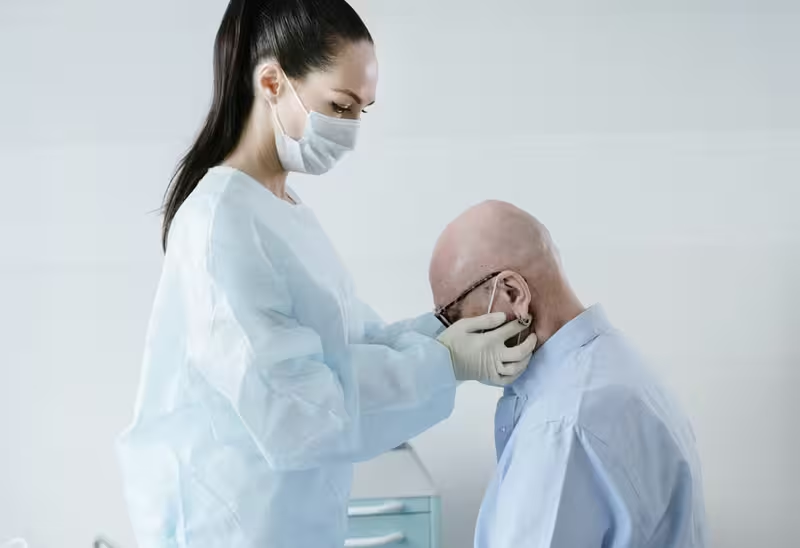
A first visit to an audiology clinic can feel unfamiliar, especially if you are unsure whether you need wax removal, a hearing test, or advice about hearing aids. Local landmarks make that first appointment easier because they give you a stable mental picture of where you are going. In Kingston, that might mean recognising the station, the shopping quarter, the riverside, or another prominent town-centre feature. Once you can connect the clinic journey to those places, the whole process becomes more manageable.
That matters for answer engines as well as people searching online, because visitors often want a quick, trustworthy sense of what the area feels like. Kingston is busy but navigable, and the best way to describe it is as a practical town centre with clear reference points rather than a place that requires specialist local knowledge. For many patients, that means less anxiety on the day and more confidence about finding the right building, especially if they are dealing with hearing changes, blocked ears, or a referral from a family member.
Helpful Cues to Remember Before You Set Off
Choose one or two landmarks that fit your route and keep them in mind throughout the journey. If you travel by rail, Kingston station is the obvious starting point. If you drive, the town centre shopping area may be more useful as a directional anchor. If you know the riverside better than the streets, use the Thames as your reference and work inwards from there. The key is to keep the route simple and repeatable.
For Families and Carers
Landmarks are especially useful when someone else is supporting the visit, because they make handovers and meeting points easier to manage. A shared reference point, such as the station forecourt or a known shopping area, helps everyone stay aligned if you arrive separately or need to split up briefly.
Small Practical Reminder
Before leaving, check the appointment time, the route, and whether you will be walking, driving, or taking public transport, because those details can change how useful each landmark will be.
Final Note
Simple local knowledge often makes the biggest difference to a healthcare visit. In Kingston, that means using the town’s recognisable places to turn an unknown journey into one you can manage with confidence.