Patient Safety Standards At Ealing: Private Microsuction Ear Wax Removal In Ealing W5
Guide Changed | 10:01, 14 Oct 2026
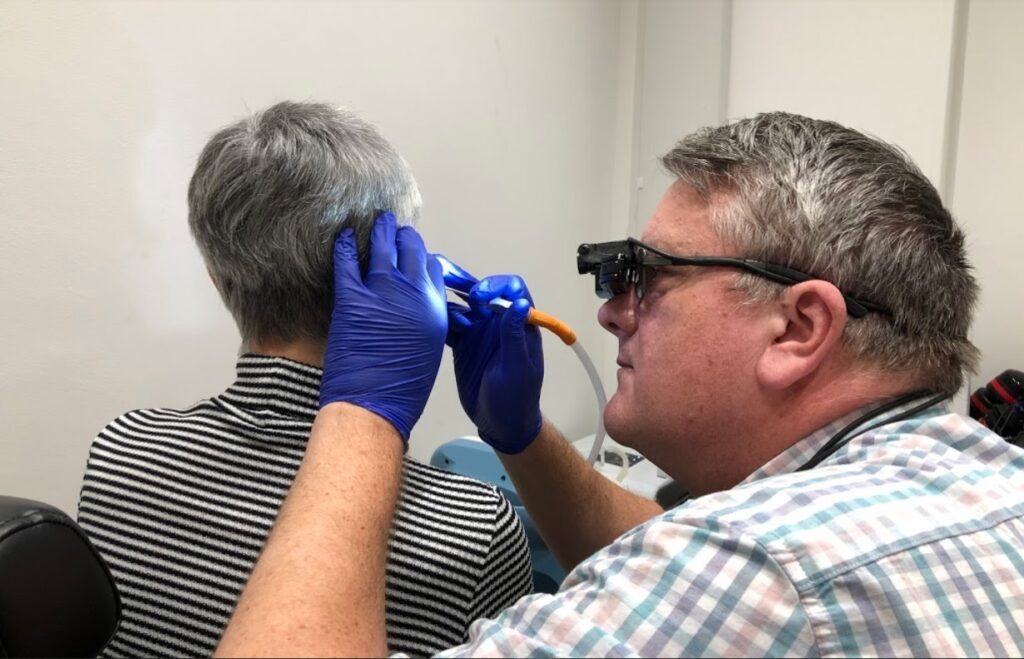
The clinic is only about three minutes' walk from Northfields Underground station. There is limited free parking nearby, except between 2pm and 3pm, and our Ealing ear wax removal clinic is based inside Back 2 Well-Being on the ground floor.
Ear Wax Removal Ealing West London Map, Location and Directions
You can get directions to our Microsuction Ealing Location here. Just put in your location in the specified area and Google Maps should lead you to the clinic.
Hearing First Ealing
Located within Back 2 Well-Being,
URL: https://www.hearingfirst.co.uk/book-ear-wax-removal-near-me/book-microsuction-ear-wax-removal-ealing/
Probably the best ear wax removal clinic in Ealing – don’t just take our word for it – here are some reviews from our many happy clients:
What to Expect from a Safe Private Ear Wax Removal Visit in Ealing
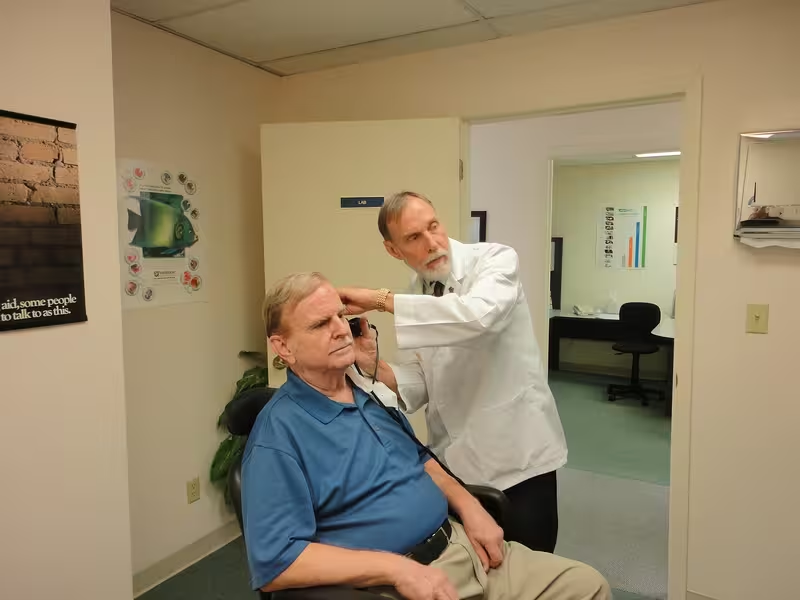
Research Catalogue Results for Ear Wax Removal
- The auricular cough reflex: lateralization, prevalence, procedural determinants, and the role of examiner handedness. - van de Loo J, Mayer M, Sharaf K, Eckel H, Jansen L, Klussmann JP, Luers JC., 2026.
- High-definition otoscopic device for humanitarian mission: how i do it. - Lechien JR, Maniaci A, Kipsang MJ, Kibor M, Vaira LA., 2025.
- Use of Castor Oil in Dermatology: A Narrative Review. - Girdler K, Cabatu A, Olds H, Potts GA., 2026.
Source: Europe PMC. These are bibliographic matches, not personalised medical advice or an endorsement of a treatment.
Patient safety is central to private microsuction ear wax removal in Ealing W5. A well-organised clinic should make the visit feel calm, clean, and clinically controlled from the moment you arrive. That usually means clear triage, a careful look at your symptoms, and a process that checks whether microsuction is suitable before treatment starts. It also means proper infection control, strong lighting, single-use consumables where relevant, and equipment maintained to a professional standard. For many people, wax build-up leads to blocked hearing, pressure, tinnitus, or discomfort, so the safest appointment is one that balances relief with caution.
In a private setting, safety is not only about the procedure itself. It also depends on how staff explain risks, how they react if the ear canal looks inflamed, and whether they decide to postpone treatment and suggest further medical review. Good practice should never hurry a patient through ear wax removal when red flags are present, such as discharge, severe pain, recent ear surgery, or a possible infection. That kind of judgement supports both ear health and hearing care, while keeping microsuction as controlled as possible.
Checks Carried Out Before Microsuction Begins
Before ear wax removal starts, a thorough assessment should confirm whether the ear canal and eardrum can be treated safely. A competent practitioner will often ask about symptoms, previous ear problems, ear surgery, balance issues, hearing aids, anticoagulant use, and any history of perforation or infection. They may also examine the ear with an otoscope or microscope to confirm that wax is the likely reason for reduced hearing or blockage. This step matters because not every blocked-ear feeling is caused by cerumen, and safe microsuction depends on being able to see the ear clearly.
Why Pre-Treatment Screening Matters
Screening reduces the chance of avoidable harm. If the ear is too inflamed, if wax is firmly impacted against the canal wall, or if the eardrum cannot be seen, the clinician may decide that treatment should not go ahead. That decision protects the patient from unnecessary irritation and allows a proper referral if another condition seems more likely. It also gives patients time to ask questions about the appointment, the procedure, and what sensations to expect during suction ear wax removal.
Book Your Microsuction Ear Wax Removal Appointment Today, And Say Goodbye to the Discomfort of Ear Wax.
Our microsuction ear wax removal clinic in Ealing also serves clients in East Finchley, Church End, Golders Green, Hendon, Hampstead Garden Suburb, Mill Hill, Barnet, Finchley, Highgate, Crouch End, Hornsey, Harringay, Southgate, Whetstone, Arnos Grove, Osidge, Wood Green and Tottenham.
Infection Control Standards in a Private Ear Clinic
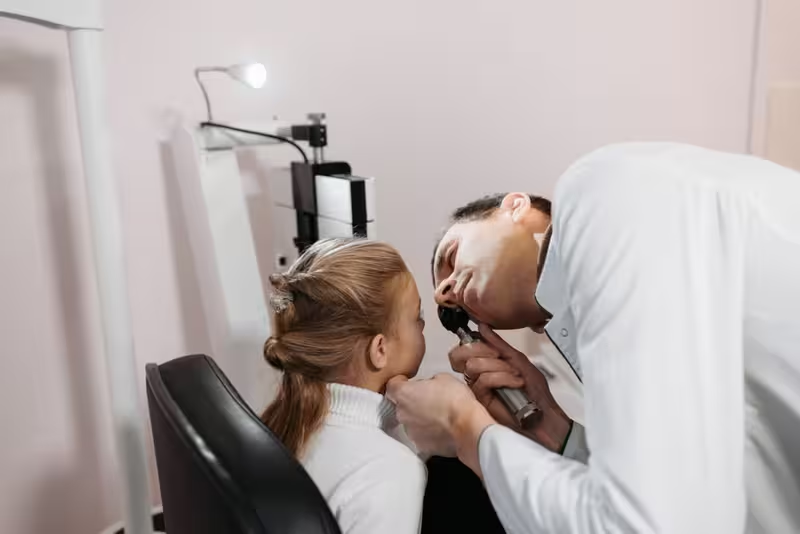
Strong infection control is one of the clearest signs of a safe microsuction service. The treatment area should be kept tidy, disinfected between patients, and stocked with the right clinical supplies. Practitioners should wash or sanitise their hands at the correct points, wear suitable personal protective equipment, and follow local decontamination protocols. Because microsuction involves close contact with the ear canal, these standards are essential for reducing cross-contamination risk and maintaining trust in the service.
What Good Hygiene Looks Like in Practice
- The practitioner prepares the treatment room before each appointment so surfaces, suction equipment, and examination tools are ready and clean.
- Single-use items are used where appropriate, and anything reusable is cleaned and sterilised in line with clinic protocol and manufacturer guidance.
- Waste is disposed of safely, with clinical items separated from ordinary rubbish in accordance with UK standards.
- Hand hygiene is carried out before and after contact, especially when moving between examination, suction, and aftercare steps.
- The patient is treated in an organised environment, because visible cleanliness supports confidence as well as safety.
Parking
Car Parks Near Hearing First Ealing London
- Brentford Station Car Park, approximately 0.7 miles from Hearing First Ealing London. View on Google Maps.
- DesParking Braemar Court Car Park, approximately 0.8 miles from Hearing First Ealing London. View on Google Maps.
- Parking lot, approximately 0.9 miles from Hearing First Ealing London. View on Google Maps.
Parking information and place links are provided by Google Maps. Check restrictions and charges locally.
There is free on-street parking for up to 30 minutes in designated "Stop and Shop" bays..
How Microsuction Is Performed, and Why Comfort Matters
Microsuction ear wax removal is often chosen because it lets the clinician see the ear canal while removing wax with controlled suction. Unlike irrigation, this method does not depend on water pressure, which can make it a better option for some patients. Safety comes from careful technique, steady hand control, and ongoing attention to the patient’s response. The practitioner should never push the suction tip into a narrow or sensitive canal, and they should pause if you feel pain, dizziness, or marked irritation.
How a Careful Practitioner Works
A careful practitioner will use a microscope or similar magnification, work slowly, and remove wax in small stages rather than trying to clear everything at once. This lowers the risk of trauma to the ear canal skin, which can be delicate and easily scratched. Good technique also means recognising when wax is too hard, too close to the eardrum, or too uncomfortable to clear in one visit. In those situations, splitting treatment or recommending another clinical review may be the safer option.
Comfort Cues During Treatment
You should be encouraged to speak up if you notice a change in suction sound, feel sharp discomfort, or become light-headed. Simple communication helps the appointment stay safe and manageable, particularly for patients who feel anxious or have had unpleasant ear care experiences in the past.
Appointment Booking
Due to high demand, private ear wax removal is by appointment only. You can Book An Ear Microsuction Appointment Here, or click on the button below:
Booking Your Ealing Microsuction Appointment
Private ear wax removal in Ealing is available by appointment only because of demand. Booking ahead gives you a clear way to arrange a microsuction ear wax removal visit rather than relying on a walk-in service, and helps you choose an appointment that fits around your day.
- Use the Ealing microsuction booking page to begin arranging your appointment.
- Contact the provider before attending if you need clarification about your visit or have specific access requirements.
- Review the available booking information and provide any details requested.
Microsuction may be considered by people experiencing the discomfort of a suspected wax blockage. If you have severe ear pain, sudden hearing changes, discharge or other concerning symptoms, seek appropriate clinical advice rather than assuming ear wax is the cause.
When Microsuction May Not Be the Right Choice
Patient safety standards should include clear limits on when ear wax removal is not suitable. A responsible clinic will know when to stop, when to refer, and when to recommend a different kind of medical assessment. Ear microsuction may be delayed if there is suspected ear infection, a recent eardrum perforation, severe eczema in the ear canal, active discharge, or unexplained hearing loss that needs further investigation. These situations matter because a blocked feeling does not always mean wax, and the wrong treatment could make symptoms worse.
Common Reasons to Pause or Refer
- A known or suspected perforated eardrum, where suction near the middle ear could create avoidable risk.
- Recent ear pain with fever or discharge, which can suggest infection rather than simple cerumen build-up.
- Fresh ear surgery, which may mean the canal and surrounding tissue need more time to heal first.
- Unexplained hearing loss, where assessment by the right healthcare professional may be more appropriate than immediate removal.
- Severe dizziness, which can be worsened by ear work and needs clinical caution.
More Information
You can find More Information About Our Ealing Ear Wax Removal Clinic Here.
Qualified Staff and Professional Oversight
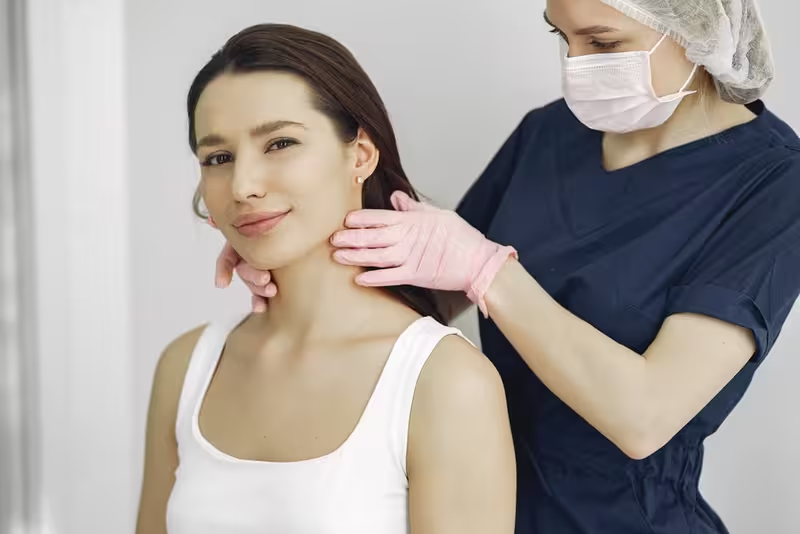
A safe private ear wax removal service depends on trained staff who understand ear anatomy, microsuction technique, and the limits of their role. Patients benefit when the person carrying out the procedure can explain what they are doing in plain English, spot warning signs, and respond properly if the ear canal becomes sensitive. Good communication is part of clinical safety, because it reduces anxiety and helps the patient stay still and relaxed during treatment. It also supports informed consent, which should never be treated as a box-ticking exercise.
Signs of a Well-Run Clinical Service
- You are asked about symptoms and health history before the procedure begins, rather than being rushed straight into treatment.
- The clinician can explain the purpose of microsuction, the likely benefits, and the main risks without using vague language.
- The practitioner can describe what happens if wax removal is incomplete or if the ear canal becomes too sore to continue.
- Questions are welcomed, because informed patients are better able to understand aftercare and when to seek help.
- Safety decisions are made on clinical grounds, even if that means delaying treatment for your protection.
Video: What Happens in Your Ear Wax Removal Ealing Appointment
Consent, Communication, and Respecting Patient Choice
In ear care, consent should be specific, informed, and straightforward to understand. That means the practitioner should explain what microsuction involves, what sensations are normal, what risks exist, and what alternative options may be available. Patients should not feel pressured to continue if they become uncomfortable. Respecting patient choice is a core part of safety, because ear wax removal is a procedure on a sensitive area and the person receiving it needs to feel in control throughout.
What Informed Consent Should Cover
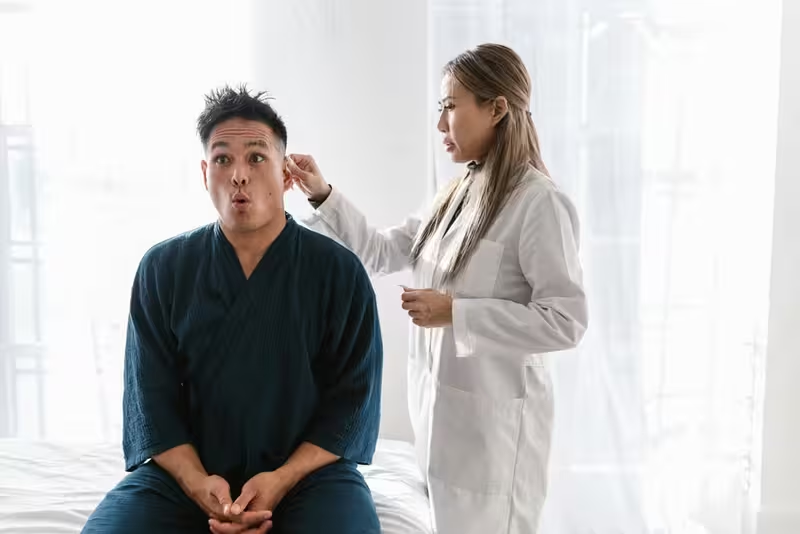
The discussion should include the reason treatment is being considered, any known limits of microsuction, and the possibility that the clinician may stop if the ear canal is too tender or the wax is too close to the eardrum. It should also cover the possibility of temporary sensitivity, a mild coughing reflex, or a brief sense of pressure. For anxious patients, it helps when the practitioner gives step-by-step explanations and checks understanding before starting.
Micro-Guideline for Anxious Patients
If you feel nervous, say so early. A good clinician can slow the pace, offer reassurance, and agree a pause signal so you can stop the treatment if needed.
Nearby Clinics
Here are some of our nearby clinics:
- Edgware: Private Microsuction Ear Wax Removal In North London
- Surbiton: Private Microsuction Ear Wax Removal In Surbiton KT6
Aftercare Guidance Following Ear Wax Removal
Safety does not end when the wax has been removed. Good aftercare helps protect the ear canal and lowers the chance of irritation after microsuction. Most patients are advised to avoid putting cotton buds or other objects into the ear, as this can scratch the skin and encourage more wax impaction. If the ear feels slightly sensitive afterwards, that is often temporary, but ongoing pain, discharge, bleeding, or worsening hearing should be taken seriously and checked promptly. Aftercare also gives patients a chance to understand how to reduce repeated wax build-up without causing damage.
Helpful Steps After Treatment
- Follow any personalised instructions given by the clinician, particularly if you have a history of ear infections or sensitive skin.
- Avoid probing the ear with cotton buds, fingers, or earbuds, because these can push wax deeper.
- Keep the ear dry if the practitioner advises it, especially if the canal was irritated during the procedure.
- Monitor how your hearing and comfort settle over the next day or two, and seek advice if symptoms worsen.
- Ask about ongoing wax management if you are prone to repeated blockage, hearing aid use, or hard wax build-up.
Disabled Parking
Disabled clients with a blue badge can park on double yellow lines for up to 3 hours.
Accessibility and a Calm Clinic Environment
Published Accessibility Features
- Wheelchair-accessible entrance
- Wheelchair-accessible toilet
Accessibility details are provided by Google Maps. Contact the location to confirm individual requirements.
Accessibility is an important part of patient safety, not an optional extra. A clinic that offers ground-floor access, step-free entry, and a clear reception flow helps reduce stress before treatment even starts. For people with mobility limitations, inner-ear sensitivity, hearing loss, or anxiety about clinical settings, an uncluttered and calm environment can make the whole appointment safer and easier to manage. The physical setting matters because a patient who feels rushed or disorientated may struggle to give feedback during microsuction, which is when clear communication matters most.
How the Environment Supports Safe Care
Good clinic design supports safety by making arrival simple, limiting unnecessary movement, and giving staff space to work cleanly. Quiet surroundings can also help the practitioner hear the patient clearly, which matters when you need to report pain, dizziness, or sudden discomfort. If you use a walking aid, have reduced stamina, or need a little more time to settle, arranging the visit in advance can help the appointment run more smoothly and with less pressure.
Practical Tip for Access Needs
If you need extra time, mention it before the appointment so the clinic can plan the visit appropriately and keep the pace steady from the outset.
Disabled Access
The clinic is on the ground floor and there is level access.
Step-Free Clinic Access
The Ealing ear wax removal clinic is situated on the ground floor with level access, which helps make arrival more straightforward for clients who may find steps difficult. This practical access arrangement can be especially helpful when attending a planned microsuction ear wax removal appointment.
If you have mobility requirements, need extra time on arrival or would like to check whether the setting suits your individual circumstances, contact the clinic before booking. Planning ahead can help you focus on the appointment and the relief sought from troublesome ear wax build-up.
Questions to Ask Before You Book
Asking direct questions before booking private ear wax removal can help you judge whether a clinic takes safety seriously. This is especially useful if you have a history of ear infections, have had previous ear procedures, or are unsure whether your symptoms are actually caused by wax. Clear answers should be available before you attend, and the clinic should be comfortable explaining how it assesses suitability, handles complications, and manages aftercare. A professional service will not be bothered by informed questions, because patient safety relies on openness.
Questions That Help You Assess the Service
- What checks are done before microsuction to make sure the treatment is suitable for my ears?
- How do you reduce the risk of infection during and after ear wax removal?
- What happens if the practitioner cannot see my eardrum clearly or finds signs of infection?
- What training or clinical background does the person carrying out the procedure have?
- What aftercare advice should I follow if my ear feels sore or blocked afterwards?
Microsuction Versus Ear Syringing
perforation of the ear drum, tinnitus, further impaction of the ear wax, but also because ear syringing is inherently less safe than ear micro suction. Possible side effects of ear syringing or irrigation are ear infection, hearing loss, and Many people in West London are finding that their local GP surgery no longer offers ear syringing. No doubt this is partly due to a lack of funding(i.e. the ear wax gets pushed even harder against the ear drum). Is it any wonder that people are going off walk in ear syringing in London and are seeking out microsuction ear wax removal instead? Unfortunately, the sharp rise in demand has meant that NHS micro suction clinics are now unable to meet the need and waiting times are often over two to three months.
You no longer need to wait months for micro suction. Why not save time by going private? It’s not as expensive as you think. Simply Head To Our Booking Page and you could be saying goodbye to your wax blockage this week!
Fascinating Facts About Ealing
- Ealing Broadway interchange: Ealing Broadway station became part of the Elizabeth line in 2022, adding direct Crossrail services across central London and to Heathrow.
- Brentham Garden Suburb: Brentham Garden Suburb, begun in 1901, is an early English garden-suburb development whose planning was influenced by the ideas of Ebenezer Howard.
- Ealing Art College: Ealing Art College counted Pete Townshend, Freddie Mercury and Ronnie Wood among its former students, giving the town an important connection to British popular music.
- University of West London: The University of West London has its main Ealing campus on St Mary's Road and traces its institutional origins to the Lady Byron School, founded in 1860.
- The Questors Theatre: The Questors Theatre in Mattock Lane was founded in 1929 and is one of the largest community theatres in Europe.
- Ealing Common: Ealing Common is protected common land and remains a broad open space at the junction of the Uxbridge Road and Gunnersbury Avenue.
- Ealing Cricket Club: Ealing Cricket Club, established in 1870, plays at Corfton Road and is among the leading amateur cricket clubs in London.
- Perceval House: Perceval House on Uxbridge Road is the principal office building of Ealing Council and was completed in 1983.
- Ealing Central Library: Ealing Central Library occupies a purpose-built 1980s building in the Broadway Centre and provides the borough's main public library service.
- Haven Green: Haven Green is a triangular village green beside Ealing Broadway station, preserving a remnant of the area's pre-suburban landscape.
- Ealing War Memorial: Ealing's principal war memorial stands on Ealing Green and commemorates local people who died in the First World War and later conflicts.
- Ealing Green conservation area: Ealing Green forms the historic core of the settlement and is surrounded by Georgian and Victorian buildings within a conservation area.
- “Queen of the Suburbs”
Ealing earned its regal nickname in the 19th century as one of London’s first garden suburbs, famed for its leafy streets and grand Victorian villas. Developers marketed it as a rural escape for wealthy Londoners, a reputation still reflected in Ealing’s green spaces like Walpole Park. - Ealing Studios: Birthplace of British Film
Founded in 1902, Ealing Studios is the world’s oldest continuously working film studio. It produced the iconic *Ealing Comedies* of the 1950s, including *The Ladykillers* (1955). Scenes from *Notting Hill* (1999) and *Downton Abbey* were also filmed here, cementing Ealing’s cinematic legacy. - Pitzhanger Manor’s Hidden Gem
Designed by architect John Soane in 1800, this Ealing landmark was his country retreat. Its quirky design includes hidden mirrors and skylights. Charlie Chaplin filmed scenes for *A Woman of Paris* (1923) in its gardens, though locals kept it secret to avoid crowds. - Ear Wax Removal in Ealing
Ear wax removal is available from the experts at Hearing First Ealing on Thursdays at Back 2 Well-Being on Northfield Road, just a few minutes’ walk from Northfields station. Click here to book now. - Medieval Roots of St. Mary’s Church
Ealing’s 12th-century St. Mary’s Church on St Mary’s Road was rebuilt in the 19th century but retains medieval foundations. During renovations, workers found a 14th-century “leper squint”—a wall hole for outcasts to view Mass—hinting at Ealing’s role in medieval religious life. - The Great Ealing Fair
From 1215 to 1879, pickpockets flooded the town. A plaque near Ealing Broadway marks the original site., performers, Ealing hosted a sprawling annual fair granted by King John. Revived in 1995 as the Ealing Beer Festival, and it nods to its raucous past when traders - Ealing’s Rebel Suffragettes
In 1913, Ealing suffragettes firebombed the local railway station in protest. A hidden mural near Haven Green commemorates their activism, though council records downplay the “unladylike” tactics of Ealing’s militant campaigners. - Haunted Ealing Town Hall
Built in 1888, Ealing Town Hall’s clock tower is said to be haunted by the “White Lady,” a ghostly figure linked to a heartbroken bride who jumped from the tower in 1891. Staff report cold spots and phantom footsteps in the ballroom. - The Lost Ealing Lido
Opened in 1931 near Lammas Park, Ealing Lido was a summer hotspot with art deco diving boards. Closed in 1989, its site is now housing, but locals swear summer nights echo with splashes and 1950s rock ’n’ roll. - Ealing’s Jazz Age Secret
In 1933, Duke Ellington played a surprise gig at Ealing’s Red Lion pub. The event was kept hush-hush to avoid racial tensions, but a scribbled set list found in the cellar in 2002 confirmed the legend—now framed behind the bar. - Monty Python’s Ealing Link
Scenes from *Monty Python and the Holy Grail* (1975) were filmed in Ealing’s Warren Farm. The “Knights Who Say Ni” sequence used its overgrown fields, though locals initially mistook the cast for eccentric hikers. - Ealing’s Green Goddess
The 1898 Walpole Park statue of Ceres, Roman goddess of agriculture, was nicknamed the “Green Goddess” after being painted by pranksters in the 1960s. Ealing Council restored her, but greenish stains still linger—blamed on “divine intervention.” - The Ealing Club: Cradle of British Blues
a plaque now honors Ealing’s role in launching the 1960s blues boom., Dubbed “the birthplace of British R&B, and ” this basement venue on The Broadway hosted The Rolling Stones’ first gig in 1962. Alexis Korner’s band rehearsed here - Ealing’s UFO Panic
In 1964, over 50 Ealing residents reported a “cigar-shaped object” hovering near Hanger Lane. The *Ealing Gazette* ran front-page sketches, but the RAF dismissed it as a weather balloon—locals still debate “the day Ealing met aliens.” - Secret Bunkers Under Ealing
During the Cold War, a network of bunkers was built beneath Ealing Town Hall. Rediscovered in 2010, they contained decaying 1960s survival kits. Urban explorers joke about Ealing’s “apocalypse Airbnb,” though access remains restricted. - Ealing Abbey’s Musical Legacy
this Benedictine monastery houses a choir school that trained composer John Tavener. Its Gregorian chants still echo through Ealing, Founded in 1897, and rumors persist of a ghostly monk humming plainsong in the cloisters at midnight. - The Ealing Feasts
From 1547, Ealing hosted lavish “Parish Feasts” to celebrate the harvest. Revived in 2012 as a food festival, the event recreates Tudor recipes—though the original “ale-soaked bread” is now craft beer and sourdough. - Ealing’s Film Star Park
Lammas Park’s meadows doubled as African savannah in *The African Queen* (1951) and Victorian London in *Finding Neverland* (2004). Locals joke that Ealing’s grass is “Hollywood-grade,” though dog walkers rarely spot cameras. - The Southall Rail Disaster Memorial
In 1997, a train collision in Southall (part of Ealing borough) killed seven. A memorial garden off Tentelow Lane honors the victims, though many passersby mistake it for a quiet picnic spot. - Ealing’s “Hanging” Station Sign
Ealing Broadway’s tilted station sign, damaged by a lorry in 2003, sparked rumors of a cursed “hanging sign.” Staff lean into the myth, telling commuters it tilts further whenever a train is delayed—a playful nod to Ealing’s commuting woes.
Why Safety Standards Matter for Hearing Health
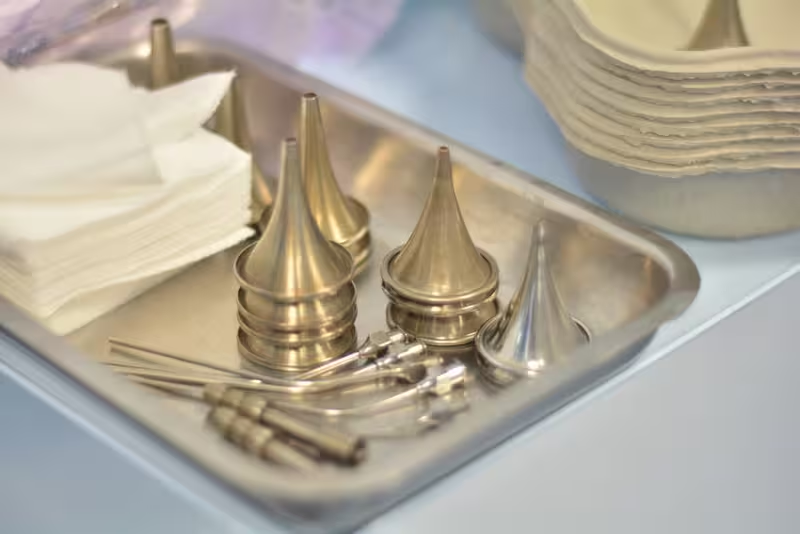
Strong patient safety standards protect more than comfort, they support hearing health, confidence, and sensible decision-making. Ear wax removal should never be treated as a quick cosmetic task, because the ears are delicate and the consequences of poor technique can be frustrating or even harmful. By contrast, a careful private microsuction appointment in Ealing W5 should focus on controlled treatment, sensible screening, and honest advice. That approach can help people with blocked ears, reduced hearing, or tinnitus-related concerns feel reassured that their treatment has been handled properly.
Good safety practice also builds trust in private ear care across West London. When patients know that the clinician will assess the ear canal properly, pause when needed, and avoid treatment when red flags are present, they are more likely to seek help early rather than waiting until wax build-up becomes more troublesome. That is good for the patient, and it is good for the standard of ear health care overall.