Categories
Health & Wellness Hearing Devices

Top Hearing Aids by Feature: Bluetooth, AuraCast, and More

Last Updated on 08/06/2026 by Admin

In 2026, the finest hearing aids in the UK are not merely about amplifying sound. The distinguishing features now revolve around battery longevity, Bluetooth streaming capabilities, design invisibility, and compatibility with Auracast for next-generation public audio streaming. Leading brands such as Signia, Rexton, Widex, Oticon, and Starkey are at the forefront with their premium rechargeable and AI-enhanced models. Recent reviews from UK audiologists particularly emphasise the increasing popularity of Auracast-compatible devices and discreet rechargeable in-ear designs.

1. Top Choice for Overall Performance

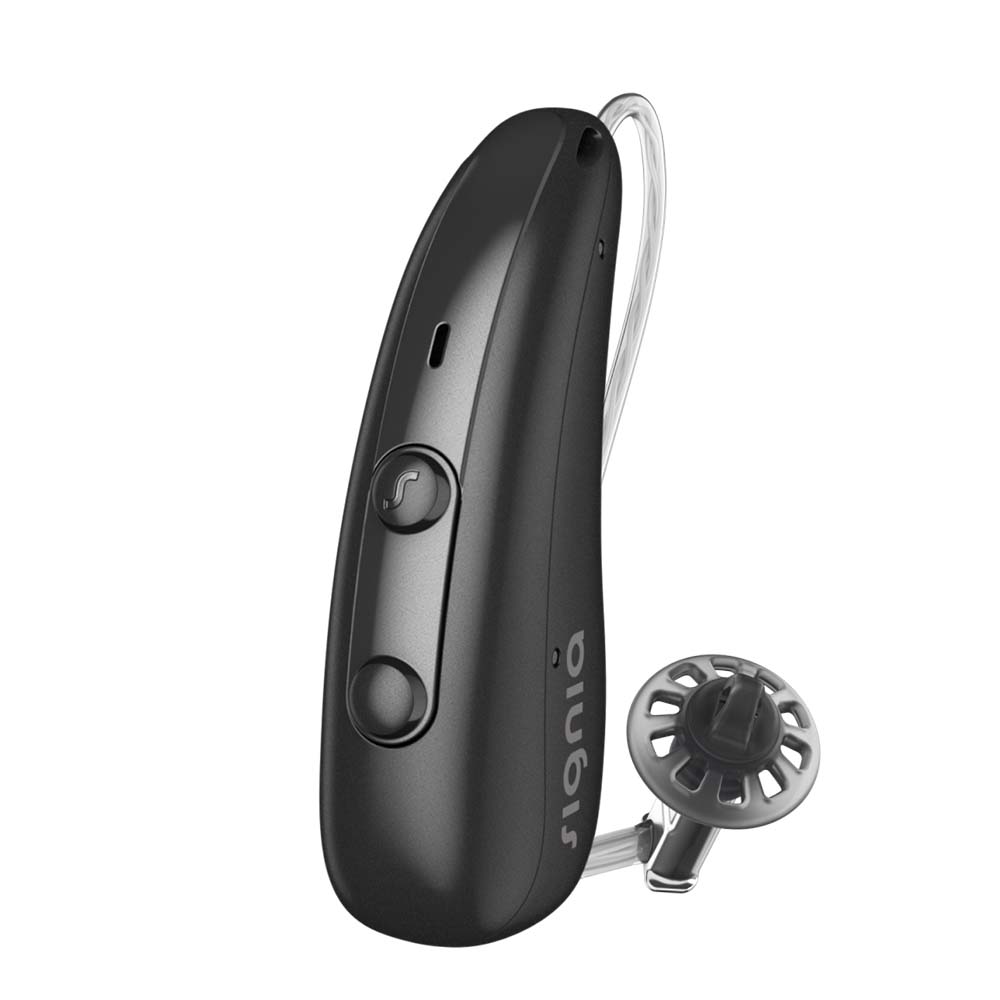
– Signia Pure Charge&Go IX

The Signia IX platform stands out as the most balanced premium choice available in the UK today. It delivers exceptional performance in speech clarity amidst background noise, superior Bluetooth streaming, impressive battery life, and an array of advanced app controls. The Integrated Xperience platform particularly benefits individuals who frequently transition between conversations.

2. Top Choice for Discreet Design

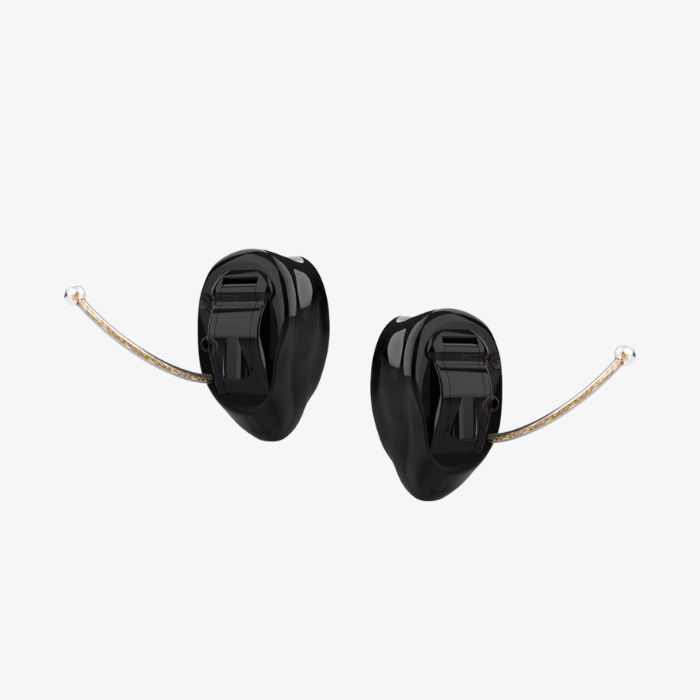
– Signia Silk IX Charge&Go

This hearing aid is one of the smallest rechargeable in-ear options available, featuring Bluetooth capabilities and a design that offers a discreet fit.

It is one of the few truly inconspicuous rechargeable CIC-style hearing aids on the UK market. This device caters to users seeking nearly invisible hearing assistance without compromising on modern streaming features and rechargeability.

3. Top Choice for Authentic Sound Quality

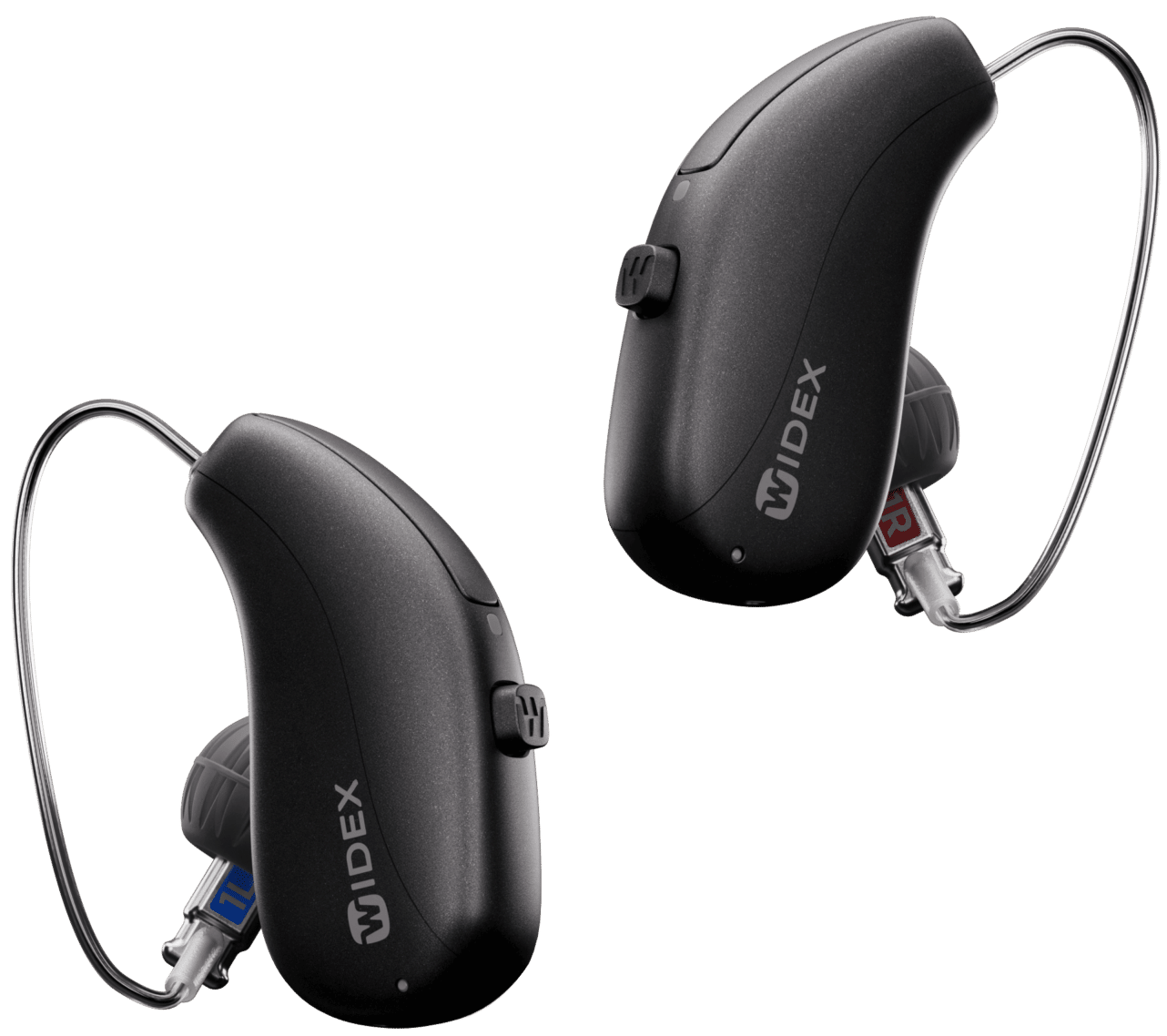
– Widex Allure 440

This premium rechargeable hearing aid is celebrated for its remarkably natural sound and minimal processing delay.

Widex has earned a stellar reputation among audiophiles and users who are sensitive to artificial sound processing. The SmartRIC redesign enhances microphone placement and optimises battery performance.

4. Top Choice for Auracast Compatibility

– Starkey Omega AI 24

The Omega AI 24 represents Starkey’s top-tier hearing aid technology. It features exclusive DNN 360 directionality, allowing for optimal speech understanding in noisy settings, advanced spatial awareness, and superior automatic sound adjustment. This model is perfect for active individuals who frequently find themselves in restaurants, social events, meetings, or bustling public venues.

5. Top Choice for Brain-Informed AI Processing

– Oticon Intent 1

The Oticon Intent is among the most advanced hearing aids available, employing 4D sensors that respond instantly to movement, listening intentions, and conversation dynamics. Reviewers in the UK consistently rank it as one of the top premium hearing aids for 2026.

Signia Pure Charge and Go IX Signia Silk Charge & Go IX Widex Allure RIC 440 Starkey Omega AI 24 Oticon Intent 1
Style RIC (Receiver-in-Canal) CIC / Invisible-in-ear RIC Custom rechargeable miniRITE
Rechargeable Yes Yes Yes Yes Yes
Bluetooth Streaming Exceptional Limited compared to RIC models Exceptional Exceptional Exceptional
Auracast / LE Audio LE Audio-ready Limited future compatibility Expected future compatibility Strong early support LE Audio capable
Best Feature Group conversation enhancement Discreet design Natural sound quality AI + intelligent features Adaptive listening
Speech Clarity in Noise Exceptional Very good Good to Very Good Exceptional Exceptional
Music Quality Very Good Good Exceptional Very Good Very Good
Visibility Low-profile Nearly invisible Moderate Invisible/custom Moderate
Battery Life Up to a full day+ Full day Full day Excellent Excellent
App Experience Outstanding Signia app Signia app Widex app Starkey app with wellness features Oticon Companion
Best For Social environments Users seeking invisible aids Music enthusiasts & natural sound Technology-focused users Dynamic listening situations
Hearing Loss Range Mild to Profound Mild to Moderate Mild to Profound Mild to Severe Mild to Profound
Key Differentiator Real-Time Conversation Enhancement Smallest rechargeable Signia model Widex PureSound processing AI health & environmental features 4D user-intent sensors

For most users in the UK, the Signia Pure Charge&Go IX likely offers the best overall balance, especially for clarity in speech during social settings such as restaurants and meetings. For those who appreciate music and natural sound reproduction, the Widex Allure 440 excels, while the Signia Silk IX is perfect for those prioritising cosmetic invisibility. The Starkey Omega AI 24 is ideal for users interested in AI-driven wellness features and advanced connectivity, and the Oticon Intent 1 stands out for its adaptive environmental processing using motion and conversation sensors.

The post Top 5 Hearing Aids by Feature – Bluetooth, AuraCast, and More appeared first on The Microsuction Ear Wax Removal Network.

The post Top 5 Hearing Aids by Feature – Bluetooth, AuraCast, and More appeared first on Healthcare Marketing Service.

Categories
Health & Wellness Hearing Devices

Invisible Hearing Aids: AudioService Quixx 16 G2 Available Today

Audio Service Quix from Hearing First - same day testing and fitting of invisible hearing aids

Same Day Invisible Hearing Aids from Hearing First

Experience Same Day Fitting of Invisible Hearing Aids

Discover the Advanced Technology of Invisible Hearing Aids

The quiX 16 G2 from Audio Service is a compact hearing aid that delivers impressive technological capabilities. This modular system is designed to be virtually invisible when placed in the ear canal (iic). Unlike many traditional iic hearing aids that necessitate custom fitting to the unique shape of your ear, the quiX offers a more versatile approach with multiple sizes of open and closed domes tailored to your specific hearing loss and ear canal dimensions.

Why Wait for Your Invisible Hearing Aids?

The beauty of the quiX system lies in its efficiency. There’s no need to take an ear impression, making it accessible for nearly everyone, as 99% of individuals have a suitably sized ear canal. You can undergo your hearing assessment and receive your new high-tech invisible hearing aids all in one day, eliminating the lengthy wait often associated with traditional fittings.

Enjoy the Benefits of Discreet and User-Friendly Hearing Aids

The quiX 16 G2 is remarkably small, rendering it virtually undetectable when worn. It operates automatically, meaning you won’t need to manually adjust volume or programs. Our Audiologist will set everything up based on your hearing assessment. Simply insert them into your ears and enjoy clear sound without any hassle. These invisible hearing aids are rich in technology, featuring 36 channels and a 40dB amplification capacity that accommodates most types of hearing loss. They can intelligently recognise five distinct listening situations—quiet speech, speech in noise, music, noise only, and driving—and adjust the sound output accordingly. This allows you to concentrate on what you wish to hear without the need for manual adjustments.

Learn More About the Audio Service quiX 16 G2

The quiX 16 G2 represents a straightforward hearing solution designed for immediate use. This model fits snugly in the auditory canal, making it essentially invisible when worn. Its placement in the ear makes it particularly suitable for individuals who wear glasses.

The design of the hearing system conforms to the natural contours of the ear canal and concludes with the Clic Ball, which securely connects the quiX G2 to the dome. The system operates completely automatically, making it user-friendly and easy to manage.

Same Day Invisible Hearing Aids From Hearing First. No need for custom impressions and weeks of waiting. With Hearing First's quiX 16 G2, you can have your hearing test and get your hearing aids on the same day!

Same Day Invisible Hearing Aids From Hearing First – quiX 16 G2

Key Features of the quiX 16 G2

  • CIC design with a battery size of 10 and a standard shell
  • Components designed to be as small as possible
  • 36 signal processing channels alongside 18 frequency channels
  • Single hearing programme
  • Data logging capabilities
  • Advanced anti-feedback system G2
  • Noise Manager featuring an impulse suppressor
  • High-fidelity functionality
  • Automatic operational features
  • Receiver equipped with dual-chamber technology
  • Level-dependent signal tones/melodies (can be activated or deactivated) for low battery warnings

Advanced Signal Processing Features

  • Enhanced anti-feedback system G2
  • Comprehensive Noise Manager
    • Adaptive noise reduction capabilities
    • Wiener filter technology
    • Impulse suppression features
    • Automatic situational adaptation
  • Dynamic frequency management
    • TRC S technology
    • Selectively compressed frequency ranges
    • High-fidelity functionality

Innovative Automatic Functions

  • Intelligent acclimatisation
  • Comfortable automatic adjustments

The post Experience Same Day Invisible Hearing Aids – AudioService Quixx 16 G2 appeared first on Healthcare Marketing Service.

Categories
Health & Wellness Hearing Aids

Starkey SoundLens i2400 Synergy for £2195

Discover the Starkey SoundLens Synergy i2400 Hearing Aids

Starkey Soundlens Synergy From Hearing First - the world's smallest truly invisible in the canal hearing aid - now available with wireless technology.

Starkey Soundlens Synergy From Hearing First

The Starkey SoundLens Synergy i2400, available from Hearing First, represents the pinnacle of invisible hearing aid technology. These custom-fitted devices are tailored specifically to the contours of your ear canal, ensuring they fit snugly and discreetly, so only you are aware of their presence. Despite their compact size, the SoundLens Synergy is equipped with cutting-edge features, making them the first and most sought-after custom-fit Invisible-in-the-Canal (IIC) hearing aids available today.

  • Experience True Discretion with a Custom Fit

    These hearing aids sit deeply within your ear canal, providing a personalised fit that ensures comfort throughout the day.

    Starkey is renowned for producing the smallest, truly invisible in-the-canal hearing aids, and with the latest wireless technology and an upgraded platform, these devices stand out as the most advanced options available.

  • Seamlessly Adjust to New Sound Environments

    Our innovative feature supports your adaptation to hearing aids by gradually modifying settings, allowing your brain to adjust to new sounds naturally.

  • Enhanced Wireless Streaming Capabilities

    Enjoy smooth wireless performance while streaming your favourite TV shows, music, and other media with SurfLink® Mobile 2 and accompanying SurfLink accessories.

  • Enjoy a Tailored Listening Experience

    Sound comfort technology ensures a distortion-free listening experience, providing clarity for soft sounds while managing louder noises comfortably.

  • Say Goodbye to Buzzing and Whistling Noises

    Our top-tier feedback cancellation system guarantees a feedback-free listening experience, allowing you to enjoy sound without interruptions throughout the day.

  • Experience Music as It Was Intended

    These hearing aids are designed to let you experience music in a new light, allowing you to appreciate every note as the artist intended, with exceptional sound quality.

  • Personalised Tinnitus Management Solutions

    The integrated Multiflex Tinnitus Technology offers tailored relief for individuals experiencing tinnitus or ringing in their ears.

Advanced Technology Features of the Starkey SoundLens Synergy i2400

The i2400 model includes an impressive range of features:

  • 24 channels and 24 bands for precise sound control
  • Extended bandwidth reaching up to 10kHz for superior audio quality
  • Acuity OS for enhanced performance
  • 900sync Wireless Technology for reliable connectivity
  • Wireless Spatial Streaming for immersive audio experiences
  • Acuity Speech Optimisation for clearer conversations
  • Music Enhancement features, including
    • Music Adaptation – Level 4 for tailored sound
    • Music Memory for personalised listening
    • E2E Music Adaptation – Maximum for optimal sound quality
  • Ear 2 Ear Acuity Binaural Imaging, featuring
    • E2E Machine Noise Adaptation – Level 4 for smart noise management
    • E2E Wind Noise Management – Level 4 for comfortable outdoor use
    • E2E Directionality for improved sound localisation
    • E2E Phone Streaming for seamless calls
  • Environment Manager – Acuity Lifescape Analyser, providing
    • Music – Level 4 for enhanced auditory experiences
    • Speech – Level 4 for clear communication
    • Speech and Noise – Level 4 for balanced listening
    • Machine Noise – Level 4 for effortless hearing in busy environments
    • Wind – Level 4 for outdoor clarity
    • Noise – Level 4 for comfortable sound levels
    • Quiet – Level 4 for serene listening
  • Noise Control – Acuity Voice
    • Noise Reduction Strength – Level 4 for effective sound management
  • Whistlefree Feedback Cancellation for uninterrupted listening
  • Speech Shift Frequency Lowering for enhanced clarity
  • Multiflex Tinnitus Technology for comprehensive relief
  • SurfLink Wireless Accessories for versatile connectivity

The post Starkey Soundlens Synergy i2400 £2195 appeared first on Healthcare Marketing Service.

Categories
Health & Wellness Hearing Devices

Starkey Muse i2000 Hearing Aids: CIC, ITC, ITE, RIC, BTE Options

Starkey Muse i2000 £1295 from Hearing First brings a new generation of power and precision to hearing aid wearers, making conversation clearer in noisy environments, and music more natural.

Starkey Muse i2000 £1295 from Hearing First

Discover the Starkey Muse i2000 for £1295 – A Hearing Revolution

For those in search of exceptional value, Hearing First offers the Starkey Muse i2000 at the most competitive price in the UK.

This innovative hearing aid introduces Acuity Binaural Imaging, setting a new benchmark for ear-to-ear communication. With ultra high-definition audio, patients experience a more natural interaction, allowing for better speech clarity even in challenging environments. The system preserves speech audibility while ensuring comfort through collaborative decision-making.

Modern hearing aid users desire seamless listening across various settings. Thanks to the Acuity Lifescape Analyzer, which is our most extensively tested environmental detection technology, this desire can now be fulfilled. It adeptly categorises seven different sound classes, managing multiple auditory environments simultaneously while providing the most advanced classification and adaptation system available.

To enhance speech recognition in difficult listening situations, Acuity Directionality offers personalised and intelligent adjustments across all channels. This feature prioritises conversations, providing up to 6dB of speech enhancement, enabling users to engage more effectively in discussions from all angles.

Acuity Voice operates alongside the Acuity Lifescape Analyzer to maximise speech clarity. This dual algorithm integrates dynamic voice recognition with spectral noise control, adjusting gain for each channel. The result is unparalleled sound quality, effortless listening, and improved speech intelligibility in noisy conditions.

Our wireless system, 900sync, enhances the listening experience by streaming a caller’s voice directly to both ears via our innovative Ear-to-Ear Phone Streaming, making phone conversations clearer and more manageable than ever before.

Advanced Technology Features of the Starkey Muse i2000

The i2000 model is equipped with:

  • 20 channels and 20 bands for tailored sound processing
  • Extended bandwidth reaching up to 10kHz for enhanced sound quality
  • Acuity OS for superior audio performance
  • 900sync Wireless Technology for seamless audio streaming
  • Wireless Spatial Streaming for an immersive listening experience
  • Acuity Speech Optimisation – Medium for clear speech recognition
  • Music Enhancement, featuring
    • Music Adaptation – Level 2 for tailored auditory experiences
    • Music Memory for personalised listening
    • E2E Music Adaptation – Medium for enhanced sound quality
  • Ear 2 Ear Acuity Binaural Imaging, which includes
    • E2E Machine Noise Adaptation – Level 2 for reduced background noise
    • E2E Wind Noise Management – Level 2 for outdoor clarity
    • E2E Directionality for focused sound capture
    • E2E Phone Streaming for clear conversations
  • Environment Manager – Acuity Lifescape Analyser, featuring
    • Music – Level 2 for optimal sound enjoyment
    • Speech – Level 2 for enhanced clarity
    • Speech and Noise – Level 2 for improved understanding
    • Machine Noise – Level 2 for reduced interference
    • Wind – Level 2 for clearer outdoor listening
    • Noise – Level 2 for calm sound environments
    • Quiet – Level 2 for peaceful listening
  • Directional Processing – Acuity Directionality, featuring
    • Channels: 20 for precise audio management
    • Dynamic – Medium for adaptable sound processing
    • Directional – Medium for focused sound capture
    • Adaptive – Medium for personalised listening
  • Noise Control – Acuity Voice
    • Noise Reduction Strength – Level 2 for clearer sound
  • Whistlefree Feedback Cancellation for uninterrupted listening
  • Speech Shift Frequency Lowering for improved clarity
  • Multiflex Tinnitus Technology for enhanced comfort
  • SurfLink Wireless Accessories for added convenience

The Muse, built on Starkey’s innovative Synergy platform, uniquely features quad core twin compressor technology. This advancement ensures exceptional precision for audibility while optimising the listening experience. The combination of Synergy and Acuity OS, our cutting-edge high-definition operating system, enables unprecedented processing of speech and music, enhancing both speech clarity and enjoyment in all sound environments.

Synergy also integrates 900sync Technology, our preferred wireless solution, which provides a pristine audio experience. This feature is particularly beneficial for individuals with unilateral hearing loss through our new Muse CROS System, and it significantly enhances phone conversations with ear-to-ear phone streaming.

The post Starkey Muse i2000 £1295 CIC ITC ITE RIC BTE appeared first on Healthcare Marketing Service.

Categories
Health & Wellness Hearing Aids

Starkey Muse i2400: Explore CIC, ITC, ITE, RIC, and BTE Options for £1595

Starkey Muse i2400 £1595 from Hearing First brings a new generation of power and precision to hearing aid wearers, making conversation clearer in noisy environments, and music more natural.

Starkey Muse i2400 £1595 from Hearing First

Discover the Starkey Muse i2400 at £1595

Starkey has introduced its latest Muse range of hearing aids, with the most competitive pricing in the UK available from Hearing First at just £1595. The collection offers a variety of styles to suit different preferences, including the discreet yet powerful completely in the canal (CIC), in the canal (ITC), and in the ear (ITE) custom options. the microRIC 312, miniBTE, and microRIC 312 AP models provide up to 70dB of feedback-free amplification. For those seeking maximum discretion, Starkey presents the Soundlens Synergy, which is recognised as the world’s first wireless true invisible in the canal (iic) hearing aid.

The Muse range is available in three technology levels: i2400, i2000, and i1600. These models are powered by Starkey’s innovative Synergy technology platform, which operates on a quad-core architecture featuring up to 24 channels and dual compressors.

Each model is equipped with Starkey’s patent-pending Multiflex Tinnitus technology, designed to offer customised solutions that provide relief for individuals experiencing tinnitus.

Key Technological Features of the Starkey Muse i2400

The i2400 model stands out with the following features:

  • 24 channels and 24 bands for superior sound processing
  • Extended bandwidth capability reaching up to 10kHz
  • Acuity OS for enhanced user experience
  • 900sync Wireless Technology for seamless connectivity
  • Wireless Spatial Streaming for a more immersive audio experience
  • Acuity Speech Optimisation to improve speech clarity
  • Music Enhancement features, which include:
    • Music Adaptation at Level 4
    • Music Memory for personalised listening
    • E2E Music Adaptation at Maximum
  • Ear 2 Ear Acuity Binaural Imaging, which includes:
    • E2E Machine Noise Adaptation at Level 4
    • E2E Wind Noise Management at Level 4
    • E2E Directionality for improved sound localisation
    • E2E Phone Streaming for effortless communication
  • Environment Manager featuring the Acuity Lifescape Analyser, which manages:
    • Music at Level 4
    • Speech at Level 4
    • Speech and Noise at Level 4
    • Machine Noise at Level 4
    • Wind at Level 4
    • Noise at Level 4
    • Quiet environments at Level 4
  • Directional Processing through Acuity Directionality, which includes:
    • Channels: 24
    • Dynamic processing at Maximum
    • Directional processing at Maximum
    • Adaptive processing at Maximum
  • Noise Control through Acuity Voice, featuring:
    • Noise Reduction Strength at Level 4
  • Whistlefree Feedback Cancellation for improved comfort
  • Speech Shift Frequency Lowering for enhanced clarity
  • Multiflex Tinnitus Technology for tailored support
  • SurfLink Wireless Accessories for added convenience

The Muse, featuring Starkey’s cutting-edge Synergy platform, is unique in offering quad-core twin compressor technology, delivering exceptional precision for sound clarity and optimal auditory enjoyment. The Synergy platform, combined with Acuity OS, Starkey’s advanced high-definition operating system, processes speech and music in a uniquely sophisticated manner. This innovation dramatically enhances both speech intelligibility and the enjoyment of music across various environments.

Incorporating 900sync Technology, Starkey’s preferred wireless solution, the Muse provides a superior audio experience. This technology is particularly beneficial for those with unilateral hearing loss, thanks to the new Muse CROS System. the enhanced ear-to-ear phone streaming feature significantly improves phone communication.

The post Starkey Muse i2400 £1595 CIC ITC ITE RIC BTE appeared first on Healthcare Marketing Service.

Categories
Health & Wellness Technology Management

Healthcare Tech Pilots: Essential Guide to Implementation

Thorough Examination of the UK Healthcare System

Exploring the Structure of the National Health Service

Infographic illustrating the NHS structure in the UK, highlighting nodes for England, Scotland, Wales, Northern Ireland, and free healthcare services funded by taxes.

The National Health Service (NHS) in the United Kingdom is widely regarded as one of the most comprehensive and accessible public healthcare systems globally. Founded in 1948, the NHS is designed to provide healthcare services at no cost at the point of delivery, primarily funded through taxation. The organisation is made up of several critical entities, including NHS England, NHS Scotland, NHS Wales, and Health and Social Care in Northern Ireland. Each of these devolved administrations administers its healthcare services, ensuring that care is tailored to meet the unique needs and demands of local communities.

For example, NHS England oversees the commissioning and delivery of healthcare services throughout England, with a strong focus on primary care through General Practitioners (GPs) and hospitals. In contrast, NHS Scotland functions within a different framework that prioritises primary care and community health services, reflecting the specific healthcare challenges encountered in Scotland. The integration of health and social care services is particularly important in Wales and Northern Ireland, where local governance plays a significant role in healthcare provision, ensuring services are responsive to community needs.

Grasping the intricate structure of the NHS is essential for the successful implementation of healthcare technology pilots. Stakeholders must adeptly navigate this complex landscape, aligning their technological solutions with the NHS’s overarching goals while addressing the needs of both patients and healthcare professionals. The future of healthcare technology in the UK will ultimately depend on how effectively these innovations can adapt to the established frameworks of the NHS.

Navigating the Regulatory Framework of UK Healthcare

Understanding the regulatory environment is crucial for successfully implementing healthcare technology pilots in the UK. Two of the most prominent regulatory bodies overseeing healthcare technology are the Care Quality Commission (CQC) and the Medicines and Healthcare products Regulatory Agency (MHRA). The CQC ensures that healthcare providers maintain essential quality and safety standards, which significantly influences any technology rollouts within the NHS.

The MHRA plays a vital role in regulating medical devices, ensuring their safety for patient care. Compliance with the General Data Protection Regulation (GDPR) is also essential, particularly regarding patient data. Every healthcare technology pilot must adhere to these regulations to protect patient confidentiality and ensure ethical data usage, which is fundamental for maintaining public trust.

Stakeholders should also consider the Digital Technology Assessment Criteria (DTAC), which outlines a framework for evaluating the effectiveness and safety of digital health technologies. This crucial framework assists NHS organisations in making informed decisions regarding the adoption of new technologies, highlighting the importance of robust evidence and patient outcome data to support these innovations.

A firm understanding of these regulatory factors can greatly influence the success of healthcare technology pilots. Compliance not only fosters trust among stakeholders but also safeguards patient welfare, making regulatory knowledge an essential prerequisite for any pilot initiative.

Strategies for Engaging Stakeholders in Technology Implementation

In the context of the UK healthcare system, engaging stakeholders is vital for the success of any technology pilot initiative. Key stakeholders include healthcare professionals, administrative staff, patients, and policymakers. Effectively engaging stakeholders involves understanding the diverse perspectives and needs that each group brings, which is crucial for the pilot’s relevance.

Healthcare professionals offer invaluable insights into the practical challenges encountered in daily operations within the NHS. Their involvement from the pilot’s inception ensures that the technology addresses real-world issues, leading to higher acceptance rates among end-users. Engaging patients is equally important; their feedback shapes the development of patient-centric solutions that enhance their care experience and ensure their needs are met.

Collaborating with regulatory bodies and local NHS organisations creates an environment conducive to innovation. Stakeholder engagement strategies may include workshops, focus groups, and surveys to gather input and build consensus. By actively involving stakeholders throughout the pilot process—from planning to evaluation—organisations can align their technological solutions with the broader objectives of the NHS, facilitating the smooth implementation and adoption of new technologies.

Identifying Potential for Healthcare Technology Pilots

Futuristic healthcare environment with doctors using holographic screens and patients with robotic assistants in a modern hospital.

Conducting a Comprehensive Needs Assessment

Identifying specific healthcare needs is foundational to the effective implementation of healthcare tech pilots. A thorough needs assessment is essential for pinpointing gaps within the current healthcare delivery system, allowing organisations to target their technological solutions effectively. This process typically involves analysing existing patient pathways, reviewing clinical outcomes, and consulting healthcare professionals across multiple specialties to ensure all needs are accounted for.

Engaging with data sources such as Public Health England and local Clinical Commissioning Groups (CCGs) can provide insights into prevalent health issues within specific populations. Techniques such as stakeholder interviews and surveys can help identify the daily challenges faced by healthcare providers and patients alike. For instance, if a hospital identifies a significant backlog in appointment scheduling, a technology solution that streamlines booking processes could be developed and piloted to alleviate this issue.

Examining national health priorities, such as the NHS Long Term Plan, can help align tech pilots with broader health initiatives. Understanding local health inequalities is also vital; technology can be tailored to address specific demographic challenges, ensuring that interventions are both relevant and necessary for the communities served.

By conducting a thorough needs assessment, stakeholders not only justify their tech pilot’s existence but also enhance the chances of successful implementation and positive patient outcomes, ultimately driving improvements in healthcare delivery.

Strategically Selecting Appropriate Technology

Choosing the right technology for healthcare pilots necessitates a strategic approach that aligns with the identified needs of the NHS. Factors influencing technology selection include the scalability of the solution, interoperability with existing systems, and the potential to enhance patient outcomes and operational efficiencies.

Innovative solutions such as telehealth platforms, electronic health records (EHRs), and patient management systems have shown significant promise in improving healthcare delivery. The selected technology must also align with the digital maturity of the healthcare providers involved. For example, a solution may work exceptionally well in a technologically advanced trust but may struggle in an environment still reliant on paper-based records.

Collaboration with technology vendors is crucial during this phase. Engaging suppliers who understand the unique challenges of the NHS can lead to tailored solutions that fit seamlessly into existing workflows and enhance operational efficiencies. Pilot technologies must undergo rigorous testing to ensure they meet regulatory standards before implementation, safeguarding patient safety and compliance.

Ultimately, the objective is to select technology that not only meets immediate needs but also has the potential for long-term integration into broader healthcare practices. This ensures that innovations can evolve alongside the healthcare landscape, driving continual improvements in patient care.

Conducting Detailed Feasibility Studies

Team of experts analysing data on a digital screen to assess healthcare technology feasibility.

Conducting feasibility studies is a vital step in the successful implementation of healthcare tech pilots. These studies evaluate the practicality of the proposed technology, informing stakeholders about potential challenges and resource requirements that may arise during implementation.

A well-structured feasibility study typically includes an assessment of technical, economic, legal, operational, and scheduling factors. Technical feasibility evaluates whether the technology can be integrated into existing systems and whether the necessary infrastructure is in place to support its use. Economic feasibility analyses cost implications, considering both short-term investments and long-term savings associated with the technology.

Legal feasibility is crucial, particularly in the UK, where compliance with data protection laws like GDPR is essential. Operational feasibility examines whether the pilot aligns with current clinical workflows and whether staff have the necessary skills to implement and utilise the technology effectively. This ensures that the pilot can be executed smoothly and with minimal disruption to existing services.

Conducting pilot simulations can provide insights into potential operational challenges. Engaging frontline staff during this phase enables organisations to anticipate hurdles and develop tailored training and support mechanisms, ensuring a smoother transition upon actual implementation. The insights gained from these simulations can be invaluable in fine-tuning the pilot’s approach.

Feasibility studies culminate in a comprehensive report that aids stakeholders in making informed decisions, highlighting the likelihood of success and areas that may require additional consideration before launching the pilot. This thorough analysis is essential for minimising risks and enhancing the chances of successful implementation.

Involving Stakeholders in the Pilot Development Process

As with previous phases, stakeholder engagement remains a central theme when identifying opportunities for healthcare tech pilots. Involving stakeholders not only generates buy-in but also fosters collaboration that enhances the pilot’s relevance and effectiveness in addressing specific healthcare challenges.

Various engagement strategies can be employed, including community consultations, online platforms for feedback, and collaborative workshops. Involving patients, healthcare professionals, and administrative staff ensures diverse perspectives are considered, ultimately leading to a more comprehensive understanding of the needs that the technology must address.

Building a coalition of supportive stakeholders can facilitate access to resources, funding, and expertise necessary for the pilot’s success. Creating a transparent communication strategy to keep stakeholders informed of developments and gather ongoing feedback during the pilot’s lifecycle is essential. This transparency fosters trust and encourages active participation.

Leveraging existing networks, such as NHS Innovation Hubs, can enhance stakeholder engagement efforts. These hubs can provide invaluable resources and connections to other healthcare entities facing similar challenges. By fostering an inclusive environment, organisations can ensure that the technology developed meets the nuanced needs of the UK healthcare landscape, ultimately improving patient outcomes.

Securing Financial Support and Resources

Exploring Diverse Funding Sources for Healthcare Technology Pilots

Securing funding for healthcare tech pilots in the UK can be complex, yet manageable if approached strategically. A variety of funding sources are available, ranging from government grants to private investments and philanthropic contributions. The NHS Innovation and Technology Payment (ITP) programme, for instance, is designed to support the adoption of innovative technologies within the NHS, providing a valuable resource for pilot funding.

Local Clinical Commissioning Groups (CCGs) may also allocate specific funds for innovation within their geographical areas. Engaging with these bodies early in the process can yield insights into available funding streams that align with the proposed pilot’s objectives. Partnerships with academic institutions can open doors to research grants and collaborative funding opportunities that can bolster financial support.

Crowdfunding has also emerged as a viable option for financing healthcare innovations, allowing organisations to tap into community support for novel technologies. It is essential to maintain transparency and demonstrate the potential value of the technology to attract financial backing from supporters and stakeholders alike.

Ultimately, leveraging a combination of these funding sources can provide the financial stability needed to launch and sustain tech pilots, facilitating the effective implementation of innovative solutions that enhance care delivery and patient outcomes across the NHS.

Strategic Resource Allocation for Successful Pilot Implementation

Resource allocation is critical to ensuring the success of healthcare tech pilots in the UK. It involves determining the necessary human, technological, and financial resources required to implement and sustain the pilot effectively. A thorough assessment of project requirements is essential for understanding the scope and scale of the pilot.

This includes not only financial resources for the technology itself but also personnel needed for training, support, and ongoing evaluation of the pilot’s effectiveness. Engaging with stakeholders to identify existing resource gaps will aid in the efficient distribution of responsibilities and tasks among team members, ensuring that all aspects are covered.

Consideration must also be given to the technological infrastructure required to support the pilot. This may necessitate investment in additional hardware, software, or network capabilities. Ensuring that the selected technology is compatible with existing systems is crucial for a seamless integration process that minimises disruptions.

Creating a clear project timeline that outlines key milestones can help guide resource allocation effectively. Regular reviews of resource usage can identify areas of overspend or underutilisation, enabling adjustments to ensure the pilot remains on track and within budget. This strategic approach to resource management is vital for the pilot’s success.

A well-planned approach to resource allocation not only enhances pilot implementation but also increases the likelihood of achieving desired outcomes, ultimately contributing to the successful adoption of healthcare tech pilots that improve patient care.

Effective Budget Management for Healthcare Technology Initiatives

Effective budget management is integral to the successful implementation of healthcare tech pilots in the UK. A detailed budget should encompass all projected costs associated with the pilot, including technology acquisition, personnel training, marketing, and ongoing maintenance. This comprehensive financial planning is crucial for ensuring that all aspects of the pilot are adequately funded.

Establishing a clear financial plan at the outset provides a roadmap for managing resources throughout the pilot. Regular monitoring of spending against the budget helps identify potential overruns early, allowing for timely adjustments and reallocations as necessary. This proactive approach to budget management mitigates the risk of financial shortfalls that could jeopardise the pilot’s success.

Reporting mechanisms should be established to provide stakeholders with regular updates on financial progress. Transparent communication regarding budget management fosters trust and encourages continued stakeholder engagement and support throughout the pilot’s lifecycle.

Implementing cost-saving measures, such as in-kind contributions from partners or shared services, can also enhance budget management. By being strategic and resourceful, organisations can maximise their funding and achieve significant impact with their technology pilots, ultimately benefiting patient care and healthcare delivery.

Developing Comprehensive Pilot Proposals

Structuring a Compelling Pilot Proposal

Crafting a compelling pilot proposal is essential for securing support and funding for healthcare tech initiatives. A well-structured proposal should begin with an executive summary that succinctly outlines the pilot’s objectives, the technology involved, and the anticipated outcomes, capturing stakeholders’ attention from the outset.

Following the summary, a detailed description of the identified healthcare needs should be presented, supported by data and evidence that highlight the necessity of the proposed solution. This section is crucial for convincing stakeholders of the pilot’s relevance and potential impact on patient care, ensuring that their concerns are addressed.

The proposal should also include a comprehensive project plan outlining timelines, milestones, and resource requirements. A clearly defined budget is essential, detailing the financial aspects and highlighting potential funding sources that can be leveraged.

Incorporating an evaluation plan within the proposal is vital. This plan should specify how success will be measured, including key performance indicators (KPIs) and data collection methods. a transparent communication strategy outlining how stakeholders will be engaged throughout the pilot enhances the proposal’s credibility and fosters collaborative efforts, ensuring that everyone is aligned with the initiative.

A well-structured proposal serves not only as a roadmap for the pilot but also as a persuasive tool for securing stakeholder buy-in and funding, ultimately increasing the likelihood of successful implementation.

Utilising Data and Evidence to Strengthen Proposals

Incorporating relevant data and evidence into pilot proposals significantly bolsters their credibility and impact. Stakeholders are more likely to support initiatives backed by robust data illustrating the need for change and the effectiveness of the proposed technology in addressing specific healthcare challenges.

Utilising existing research, case studies, and statistical analyses can provide a solid foundation for the proposal. For example, demonstrating how similar technologies improved patient outcomes in other NHS trusts can lend weight to the proposed pilot, making it more compelling to decision-makers. Presenting data on current challenges faced by healthcare providers within the specific context of the proposed pilot can help clarify the necessity of the intervention and its potential benefits.

Engaging in partnerships with academic institutions can enhance the proposal by integrating empirical research and evaluation methods. These collaborations can provide access to additional data sources and expertise in rigorous evaluation techniques, further strengthening the proposal’s credibility.

Ultimately, the inclusion of data and evidence not only reinforces the rationale for the pilot but also provides a framework for measuring success, ensuring that the initiative remains aligned with the overarching goals of the NHS and contributes positively to patient care.

Understanding Approval Processes for Pilot Projects

Navigating the approval processes for healthcare tech pilots in the UK can be complex. Each NHS organisation may have its protocols, necessitating a thorough understanding of local processes and requirements to ensure a smooth approval journey.

Typically, proposals must undergo a formal review process involving clinical governance committees, finance departments, and potentially external stakeholders. Engaging with these bodies early in the proposal development phase can streamline the approval process, as their feedback can inform the proposal’s content and structure, making it more robust and aligned with organisational goals.

It is essential to prepare for possible challenges during the approval process. This may involve addressing concerns around data privacy, technology integration, and resource allocation. Being proactive and providing comprehensive evidence to support the pilot’s safety, effectiveness, and compliance with regulations can facilitate smoother approvals and build trust with decision-makers.

Maintaining clear communication with stakeholders throughout the approval process is vital. Regular updates and opportunities for feedback can foster a sense of ownership and collaboration, ultimately accelerating the journey from proposal to pilot launch and enhancing stakeholder engagement.

Encouraging Stakeholder Engagement in Proposal Development

As with previous sections, effective stakeholder engagement remains a cornerstone of developing pilot proposals. Involving stakeholders in the proposal process builds support and enriches the proposal with diverse perspectives and insights, which is critical for addressing the multifaceted challenges within the healthcare system.

Collaborating with healthcare professionals, patients, and administrative staff to gather input on the proposal’s content can enhance its relevance and applicability. This collaborative approach fosters trust and demonstrates a commitment to addressing the needs of all parties involved, which is essential for gaining support.

Creating a stakeholder engagement plan outlining how and when stakeholders will be involved can also streamline this process. This plan should include regular meetings, opportunities for feedback, and mechanisms for ongoing communication throughout the pilot’s lifecycle, ensuring stakeholders remain informed and engaged.

Leveraging existing networks, such as NHS Innovation Hubs, can enhance outreach efforts, connecting with a broader audience and fostering collaborative possibilities that benefit the proposal’s success. By prioritising stakeholder engagement, organisations can create pilot proposals that resonate with the needs of the healthcare community, increasing the likelihood of securing approval and funding for their initiatives.

Strategic Budget Planning for Pilot Initiatives

Developing a comprehensive budget plan for healthcare tech pilots is a critical component of ensuring their success. A well-structured budget should encompass all costs associated with the pilot, including technology acquisition, training, staffing, and ongoing operational expenses. This thorough financial planning is essential for ensuring that all aspects of the pilot are adequately funded.

Involving financial experts in the budgeting process can provide a clearer understanding of potential costs and help identify areas where savings can be made. Presenting a detailed budget breakdown to stakeholders enhances transparency and demonstrates responsible financial planning, fostering trust and confidence in the pilot.

Creating a contingency plan within the budget is also essential. This plan should outline how unforeseen costs will be managed, ensuring that the pilot remains financially viable even amid unexpected challenges. A proactive approach to financial management is crucial for minimising risks.

Establishing a clear timeline for expenditures can help manage cash flow effectively. Regular financial reviews and updates can identify any potential budgetary issues early, allowing for timely interventions and adjustments to keep the pilot on track.

A meticulous approach to budget planning not only helps ensure that pilots are financially sustainable but also builds trust with stakeholders, reinforcing the commitment to responsible resource management and the successful implementation of healthcare tech pilots.

Executing Healthcare Pilot Projects Successfully

Essential Project Planning for Effective Implementation

Effective project planning is the cornerstone of successful healthcare tech pilot implementation. A well-conceived project plan serves as a roadmap, detailing timelines, milestones, and responsibilities that ensure all team members are aligned toward common goals and objectives.

Kick-off meetings involving all stakeholders set the tone for the project and clarify expectations. These meetings create an opportunity to discuss roles and responsibilities while establishing a collaborative atmosphere that encourages open communication and teamwork throughout the pilot’s lifecycle.

The project plan must also outline strategies for risk management. Identifying potential risks and devising mitigation strategies early in the process can significantly reduce the impact of unforeseen challenges, ensuring that the project remains on track.

Utilising project management tools can enhance planning efforts, enabling teams to track progress, manage timelines, and allocate resources efficiently. Regular status updates and review meetings can keep the project on track, ensuring that any deviations from the plan are addressed promptly and effectively.

Ultimately, a robust project plan lays the groundwork for successful implementation, enhancing the likelihood of achieving desired outcomes in the pilot and positively contributing to patient care.

Seamless Integration of Technology in Healthcare Settings

Integrating technology into UK healthcare settings presents unique challenges that must be addressed to ensure successful implementation. Achieving seamless integration requires careful consideration of existing workflows, systems, and personnel capabilities, ensuring that the technology complements rather than disrupts current practices.

Collaboration with IT departments is critical during this phase. Engaging technical experts can provide insights into system compatibility, data migration processes, and security considerations, ensuring that the new technology aligns with existing infrastructure and supports operational efficiencies.

Training staff on the new technology is essential for successful integration. Creating tailored training programmes that account for the varying levels of digital literacy among staff will enhance user adoption and confidence in utilising the new systems effectively. Ongoing support mechanisms, such as helplines and user guides, can further bolster this process, ensuring that staff feel adequately supported.

Pilot testing the technology before full-scale implementation can identify potential issues and facilitate troubleshooting, ensuring that the technology operates as intended. Gathering feedback during this phase allows for immediate adjustments, paving the way for a smoother transition when the pilot officially launches.

Overall, successful technology integration hinges on thorough planning, collaboration, and support, ultimately maximising the potential benefits of the pilot and enhancing patient care across the NHS.

Providing Comprehensive Training and Support

Ensuring adequate training and support for pilot project teams is vital to the success of healthcare technology initiatives. A well-structured training programme tailored to the specific needs of users significantly enhances technology adoption rates and overall project success, empowering staff to utilise the new systems effectively.

Training initiatives should commence well before the pilot’s launch. Providing comprehensive onboarding sessions covering both the technical aspects of the technology and its practical application in real-world scenarios will empower staff to utilise the new system effectively and confidently.

Employing a train-the-trainer model can also be beneficial. By equipping a select group of staff members with in-depth knowledge of the technology, they can serve as resources for their colleagues during the pilot, fostering a culture of knowledge sharing and support that enhances the overall implementation process.

Continuous support mechanisms must be established to assist staff throughout the pilot. This might include dedicated helpdesks, online resources, and regular check-ins to address questions or concerns that arise during implementation. Ensuring that staff feel supported will enhance their confidence and encourage successful technology adoption.

By prioritising training and support, organisations can create a positive environment that encourages technology adoption, ultimately leading to improved patient care and pilot success across the healthcare system.

Monitoring and Evaluating the Effectiveness of Pilots

Monitoring and evaluating pilot projects is essential for assessing their impact and effectiveness in the UK healthcare landscape. Establishing clear metrics for success allows organisations to track progress and identify areas for improvement, ensuring that the pilot aligns with its intended goals and objectives.

Key performance indicators (KPIs) should be defined at the outset of the pilot, aligning with the overall goals of the project. These could encompass patient outcomes, operational efficiencies, and user satisfaction, providing a comprehensive view of the pilot’s success and areas for enhancement.

Data collection methods must be robust and systematic. Employing both qualitative and quantitative approaches can provide a comprehensive view of the pilot’s performance. Surveys, interviews, and focus groups can yield valuable insights from users, while data analytics tools can track quantitative metrics, offering a well-rounded understanding of the pilot’s impact.

Regular evaluation meetings should be scheduled to review findings and discuss progress. These collaborative sessions provide an opportunity to celebrate successes and proactively address challenges, enabling timely interventions as needed to keep the project on track and aligned with its objectives.

Ultimately, a commitment to thorough monitoring and evaluation not only demonstrates accountability but also informs future scaling efforts, ensuring that successful pilots can be replicated across the NHS and contribute positively to patient care.

Engaging Stakeholders Throughout Implementation

Continuous stakeholder engagement during the implementation phase is crucial to the success of healthcare tech pilots. Keeping stakeholders informed and involved fosters a sense of ownership and commitment to the project, ultimately enhancing the likelihood of successful adoption and integration of the technology.

Regular communication updates, such as newsletters and progress reports, can keep stakeholders engaged and informed about key developments. These updates should highlight both achievements and challenges, providing a transparent view of the pilot’s progress and fostering trust among all parties involved.

Encouraging feedback from stakeholders throughout the implementation process not only builds trust but also enables organisations to make real-time adjustments based on user experiences. This iterative approach allows for fine-tuning the technology and its deployment, maximising its effectiveness and ensuring it meets the needs of users and patients.

Organising workshops and focus groups can also facilitate deeper engagement and collaboration. These forums provide opportunities for stakeholders to share their insights and experiences, contributing to a more comprehensive understanding of the pilot’s impact and identifying potential areas for improvement.

By prioritising stakeholder engagement during implementation, organisations can cultivate a supportive environment that enhances the chances of pilot success and paves the way for future innovations in healthcare technology.

Evaluating and Monitoring Pilot Outcomes

Establishing Key Performance Metrics for Evaluation

Establishing key performance indicators (KPIs) is a critical step in monitoring and evaluating healthcare tech pilots. These metrics provide a quantitative framework for assessing the pilot’s effectiveness and measuring the impact of the technology on patient care and operational efficiencies.

When defining KPIs, it is vital to align them with the overall objectives of the pilot. For example, if the pilot aims to reduce patient wait times, metrics could include average wait time before consultation, patient throughput rates, and patient satisfaction scores, all of which provide valuable insights into the pilot’s success.

Incorporating both short-term and long-term metrics ensures a comprehensive evaluation. Short-term metrics can indicate immediate effects, while long-term metrics assess sustained impacts on patient care and system efficiencies, providing a complete picture of the pilot’s effectiveness.

Engaging stakeholders in discussions about performance metrics can foster a shared understanding of success and facilitate buy-in across the organisation. Regularly reviewing these metrics allows for iterative improvements throughout the pilot, ensuring that goals remain aligned with real-world outcomes and organisational priorities.

Ultimately, a well-defined set of performance metrics not only guides the evaluation process but also provides a basis for decision-making regarding the future of the pilot and its potential for scaling across the NHS.

Implementing Effective Data Collection Strategies

Employing effective data collection methods is vital for successfully evaluating healthcare tech pilots. A combination of qualitative and quantitative approaches provides a comprehensive view of the pilot’s impact and effectiveness, ensuring that all relevant aspects are captured.

Quantitative data can be gathered through various means, such as electronic health records (EHRs), patient surveys, and operational reports. This data helps identify trends and assess performance against the established KPIs, offering valuable insights into the pilot’s outcomes and overall effectiveness.

Qualitative data, conversely, can be sourced through interviews, focus groups, and open-ended survey questions. This type of data captures the experiences and opinions of users, providing context and depth to the quantitative findings, which enhances the overall evaluation process.

Implementing a systematic approach to data collection is essential for ensuring that data is reliable, valid, and ethically gathered. Engaging stakeholders in the data collection process can also enhance participation and trust, encouraging honest feedback and active involvement in the evaluation.

Regularly analysing and synthesising collected data allows organisations to assess the pilot’s performance and identify areas for improvement. This ongoing evaluation fosters a culture of learning and adaptability, ultimately contributing to the pilot’s success and scalability across the healthcare sector.

Effectively Reporting Pilot Results to Stakeholders

Effectively reporting pilot results is critical for communicating the outcomes of healthcare tech initiatives to stakeholders. A well-structured report should include a detailed analysis of the data collected, highlighting key findings and insights gained throughout the pilot’s lifecycle, providing a comprehensive overview for decision-makers.

Clear and concise visualisations, such as charts and graphs, can enhance the presentation of data, making it more accessible and engaging for diverse audiences. Accompanying these visuals with narrative explanations provides context for the findings, aiding in comprehension and interpretation of the results.

To present quantitative results, it is vital to include qualitative insights from stakeholders and users. Highlighting personal stories and testimonials can humanise the data and illustrate the real-world impact of the technology on patient care, making the report more relatable and persuasive.

Recommendations for future action should also be included in the report, based on the findings and insights gained from the evaluation process. This forward-looking approach demonstrates a commitment to learning and improvement, fostering continued stakeholder support for future initiatives and enhancing the potential for scaling successful pilot projects.

Ultimately, a comprehensive and well-crafted report serves as a valuable resource for stakeholders and lays the groundwork for the successful scaling and replication of effective healthcare tech pilots across the NHS.

Strategies for Scaling Successful Pilot Projects

Extracting Key Lessons from Pilot Experiences

Identifying key lessons from successful healthcare tech pilots is crucial for informing future scaling efforts. Reflecting on both successes and challenges encountered during the pilot can provide valuable insights into what works and what doesn’t in the context of the NHS, shaping future initiatives.

Conducting post-pilot evaluations that involve all stakeholders allows for a comprehensive analysis of the pilot’s outcomes. This collaborative approach encourages open dialogue, ensuring that diverse perspectives are considered when identifying lessons learned, leading to more informed decision-making in the future.

Key areas of focus during this reflective process include technology usability, training effectiveness, stakeholder engagement, and overall project management. Understanding which factors contributed to success can help organisations replicate these elements in future pilots, while identifying challenges allows for proactive mitigation strategies in subsequent initiatives.

Documenting case studies of successful pilots can serve as powerful tools for sharing lessons learned with other organisations. These case studies can highlight best practices, effective strategies, and potential pitfalls to avoid, contributing to a culture of learning and innovation across the NHS and improving the overall quality of patient care.

By embracing lessons learned from pilot projects, organisations can enhance their capacity for scaling successful initiatives and driving meaningful improvements in patient care across the healthcare system.

Formulating Effective Expansion Strategies

Formulating effective expansion strategies for scaling successful healthcare tech pilots requires a thorough understanding of the pilot’s outcomes and the broader healthcare landscape. A strategic approach considers various factors, including local needs, resource availability, and stakeholder support, which are vital for successful implementation in new settings.

Engaging with stakeholders during the expansion planning phase is essential, ensuring that their insights and concerns inform the scaling strategy. This collaborative approach fosters buy-in and support, which is crucial for successful implementation in new settings and facilitates smoother transitions.

Identifying potential partners, such as other NHS trusts or community health organisations, can facilitate expansion efforts. Collaborating with these entities allows for resource sharing, knowledge exchange, and enhanced reach, ultimately increasing the impact of the technology and improving patient outcomes.

Developing a phased approach to scaling can mitigate risks associated with larger rollouts. This might involve piloting the technology in smaller settings before expanding to broader populations, allowing organisations to refine their approach based on real-world feedback and ensuring that the technology is ready for wider application.

Ultimately, a well-considered expansion strategy enhances the likelihood of successfully scaling healthcare tech pilots, contributing to improved patient outcomes and operational efficiencies across the NHS and supporting the overall goals of the healthcare system.

Communicating Success and Future Plans to Stakeholders

Communicating pilot success and scaling plans to stakeholders is vital for maintaining support and fostering collaboration. A clear communication strategy that outlines key achievements, lessons learned, and future goals ensures stakeholders remain informed and engaged in ongoing initiatives.

Utilising various communication channels, such as newsletters, presentations, and community meetings, allows for reaching diverse audiences. Tailoring messages to specific stakeholder groups is essential, ensuring that the information resonates with their unique interests and concerns, which can enhance receptivity to future initiatives.

Highlighting patient stories and quantitative outcomes can effectively demonstrate the pilot’s impact, reinforcing the value of continued investment in healthcare technology. These success stories serve as powerful testimonials to the effectiveness of the technology, helping to cultivate ongoing support from both internal and external stakeholders and fostering a culture of innovation.

Regular updates on the scaling process keep stakeholders informed and engaged, fostering a sense of ownership and collaboration. Encouraging feedback and input during this phase demonstrates a commitment to inclusivity and transparency, ultimately enhancing the chances of successfully scaling the pilot and driving improvements in patient care within the NHS.

By prioritising stakeholder communication, organisations can build strong relationships that support the expansion of successful healthcare tech pilots, ultimately driving improvements in patient care within the UK healthcare system.

Addressing Challenges in Healthcare Technology Pilots

Navigating Regulatory Challenges in Implementation

Addressing regulatory challenges is an essential aspect of navigating the implementation of healthcare tech pilots in the UK. The regulatory landscape can be complex, with multiple agencies overseeing various aspects of healthcare technology and ensuring patient safety and compliance.

Understanding the specific regulations applicable to the pilot is crucial. Compliance with Care Quality Commission (CQC) standards, data protection regulations like GDPR, and requirements set forth by the Medicines and Healthcare products Regulatory Agency (MHRA) is non-negotiable. Failing to adhere to these regulations can lead to significant delays or even the abandonment of the pilot, jeopardising the potential benefits of the technology.

Engaging with regulatory bodies early in the planning process and throughout implementation can help clarify requirements and expectations. Establishing open communication channels allows for ongoing dialogue, enabling organisations to navigate any regulatory hurdles that may arise and ensure compliance is maintained.

Collaborating with legal experts can provide valuable insights into compliance issues and risk management strategies. By proactively addressing regulatory challenges, organisations can ensure a smoother implementation process, ultimately enhancing the likelihood of pilot success and the effective deployment of technology within the healthcare system.

Overcoming Technical Issues During Implementation

Overcoming technical issues is a common challenge faced during healthcare tech pilot implementations. Ensuring that the chosen technology integrates seamlessly with existing systems is critical for facilitating smooth operations and minimising disruptions to patient care.

Conducting thorough testing before the pilot launch can help identify potential technical issues that may arise during implementation. This could involve simulation testing or trial runs that allow stakeholders to experience the technology in action and provide feedback, ensuring that any issues are addressed prior to full rollout.

Engaging IT support from the outset is vital for quickly addressing any technical glitches. Having dedicated technical resources available during implementation can minimise disruptions and enhance user confidence in the new technology, contributing to a successful adoption process.

Creating a troubleshooting guide and providing ongoing support for end-users can help mitigate challenges associated with technology adoption. By being proactive and responsive to technical issues, organisations can foster a positive experience that encourages successful implementation and enhances the overall effectiveness of the pilot.

Ultimately, a commitment to addressing technical challenges enhances the likelihood of pilot success and contributes to the long-term sustainability of the technology within the healthcare system, ensuring that innovations can be effectively utilised to improve patient care.

Implementing Effective Change Management Strategies

Effectively managing change is crucial for ensuring successful outcomes in healthcare tech pilots. The introduction of new technologies can create resistance among staff, making it essential for organisations to implement effective change management strategies that facilitate smooth transitions.

Communicating the rationale behind the pilot and its potential benefits to all stakeholders is vital for fostering buy-in. Highlighting how the technology aligns with the overall goals of the NHS and improves patient care can motivate staff to embrace the changes and actively participate in the pilot.

Involving stakeholders in the planning and implementation phases can also mitigate resistance. By soliciting feedback and encouraging collaboration, organisations can create a sense of ownership among staff, making them more likely to support the pilot and contribute to its success.

Training and support initiatives are critical components of effective change management. Providing comprehensive training ensures staff feel confident using the new technology, while ongoing support mechanisms, such as help desks or peer assistance, can help address concerns as they arise, fostering a supportive environment for technology adoption.

By prioritising change management, organisations can navigate the complexities of implementing new technologies, ultimately enhancing the likelihood of pilot success and achieving meaningful improvements in patient care across the healthcare landscape.

Enhancing Stakeholder Engagement During Implementation

Effective stakeholder engagement remains a key challenge when implementing healthcare tech pilots. Engaging stakeholders throughout the process not only builds trust but also fosters collaboration that enhances the pilot’s relevance and effectiveness in meeting healthcare needs.

Creating a stakeholder engagement plan outlining how and when stakeholders will be involved can streamline this process. This plan should include regular meetings, opportunities for feedback, and mechanisms for ongoing communication throughout the pilot’s lifecycle, ensuring that stakeholders remain informed and engaged.

Understanding the diverse needs and perspectives of stakeholders allows organisations to tailor their engagement strategies effectively. Engaging patients, healthcare professionals, and administrative staff ensures that diverse perspectives are considered, ultimately leading to a more comprehensive understanding of the needs that the technology must address.

Utilising platforms for transparent communication, such as newsletters or digital forums, keeps stakeholders informed and involved, reinforcing a sense of collaboration. Recognising and celebrating stakeholder contributions can foster a supportive environment that enhances the chances of pilot success and encourages ongoing engagement in future initiatives.

Ultimately, prioritising stakeholder engagement throughout the pilot process allows organisations to cultivate strong partnerships that support and enhance healthcare tech initiatives, ultimately benefiting patient care across the NHS.

Addressing Funding Constraints for Innovation

Securing adequate funding for healthcare tech pilots is a challenge that many organisations face. Financial constraints can limit the scope and effectiveness of technology initiatives, making it essential to explore diverse funding options that can support innovation in patient care.

Engaging with local Clinical Commissioning Groups (CCGs), NHS Innovation and Technology Payment (ITP) programmes, and philanthropic contributions can create a multifaceted approach to funding. Understanding the specific interests and priorities of potential funders can help tailor proposals that resonate with their objectives and increase the likelihood of securing necessary financial support.

Leveraging existing resources and partnerships can enhance funding capacity. Collaborating with academic institutions and industry partners can provide access to grants, shared resources, and other financial support that can alleviate funding constraints and support the pilot’s success.

Implementing a phased approach to funding can also mitigate risks. By piloting technology in smaller, manageable phases, organisations can demonstrate effectiveness and build a case for additional funding as they progress through the implementation process, ensuring that financial challenges do not hinder innovation.

Ultimately, a proactive and strategic approach to securing funding can enhance the feasibility and success of healthcare tech pilots, ensuring that financial challenges do not impede the pursuit of innovation in patient care.

Frequently Asked Questions

What constitutes a healthcare tech pilot?

A healthcare tech pilot is a trial project designed to evaluate new technologies in real-world healthcare settings, assessing their effectiveness, feasibility, and impact on patient care and operational efficiency.

Why is stakeholder engagement critical in tech pilots?

Stakeholder engagement is crucial as it fosters collaboration, builds trust, and ensures that the technology meets the needs of healthcare professionals and patients, enhancing the likelihood of successful implementation and adoption.

What funding options are available for healthcare tech pilots in the UK?

Funding sources include government grants, NHS Innovation and Technology Payments, private investments, philanthropic contributions, and potential crowdfunding opportunities, offering diverse financial support for innovative initiatives.

What key performance indicators should be measured in a pilot?

KPIs may encompass patient outcomes, operational efficiencies, user satisfaction, and adoption rates, all of which provide insights into the pilot’s effectiveness and impact on healthcare delivery.

How can organisations ensure compliance with regulations during tech pilots?

Organisations can ensure compliance by engaging with regulatory bodies, understanding relevant regulations, and conducting thorough assessments of how the technology aligns with legal requirements, prioritising patient safety.

What is the role of feasibility studies in pilot projects?

Feasibility studies assess the practicality of proposed technology, examining technical, economic, legal, and operational factors to determine whether the pilot is viable in its intended context, ultimately guiding decision-making.

How can organisations manage change during tech implementation?

Effective change management involves clear communication, stakeholder involvement, comprehensive training, and ongoing support, fostering a positive environment for technology adoption and ensuring smooth transitions.

What is the significance of monitoring and evaluation in tech pilots?

Monitoring and evaluation provide a framework for assessing outcomes, informing necessary adjustments, and identifying lessons learned, ensuring that the technology meets its intended goals and continuously improves patient care.

How can successful pilots be scaled effectively?

Scaling successful pilots involves developing strategic expansion plans, engaging stakeholders, identifying potential partners, and conducting phased rollouts to mitigate risks associated with larger implementations.

What challenges do healthcare tech pilots typically encounter?

Common challenges include regulatory hurdles, technical issues, funding constraints, and resistance to change, all of which can impact the pilot’s success if not addressed proactively and strategically.

Originally posted 2025-04-26 10:12:56.

The post Healthcare Tech Pilots: A Comprehensive Implementation Guide appeared first on Healthcare Marketing Service.

Categories
Health & Wellness Hearing Devices

Hearing Aids: Top 5 Features Including Bluetooth and AuraCast

Last Updated on 15/05/2026 by Dane Lozano

In 2026, the leading hearing aids in the UK offer more than just sound amplification. Key differentiators now include battery longevity, Bluetooth streaming excellence, design invisibility, and compatibility with Auracast for next-gen public audio streaming. Prominent brands such as Signia, Rexton, Widex, Oticon, and Starkey are at the forefront, offering high-end rechargeable and AI-enhanced models. Recent reviews from UK audiologists particularly emphasise the emergence of Auracast-compatible devices alongside discreet, rechargeable in-ear designs.

1. Top Choice for Overall Performance

– Signia Pure Charge&Go IX

The Signia IX platform is currently one of the most well-rounded premium options available in the UK. It excels in speech clarity in noisy environments, boasts exceptional Bluetooth streaming capabilities, offers extended battery life, and features advanced app controls. The Integrated Xperience platform is particularly advantageous for individuals who frequently switch between conversations.

2. Best Choice for Discreet Hearing Aids

– Signia Silk IX Charge&Go

This model is among the tiniest rechargeable in-ear hearing aids equipped with Bluetooth technology, ensuring a discreet fit.

The Signia Silk IX Charge&Go is one of the few genuinely subtle rechargeable CIC-style hearing aids available in the UK. It caters to users seeking nearly invisible auditory support without compromising on modern streaming capabilities and rechargeability.

3. Best Choice for Authentic Sound Quality

– Widex Allure 440

This premium rechargeable hearing aid is celebrated for its remarkably natural sound and minimal processing delay.

Widex remains a top choice for audiophiles and users sensitive to artificial sound processing. The SmartRIC redesign enhances both microphone placement and battery efficiency.

4. Best for Auracast Compatibility

– Starkey Omega AI 24

As Starkey’s premier hearing aid offering, the Omega AI 24 incorporates exclusive DNN 360 directionality to enhance speech comprehension in noisy environments. It also features advanced spatial awareness and the highest level of automatic sound adjustment. This model is particularly well-suited for active individuals who frequently find themselves in restaurants, social events, meetings, or other bustling public spaces.

5. Best for AI-Driven Brain Processing

– Oticon Intent 1

The Oticon Intent stands out as one of the most intelligent hearing aids currently available, featuring 4D sensors that respond to movement, listening intentions, and conversational dynamics in real time. UK reviewers consistently rank it among the top premium hearing aids of 2026.

<

Signia Pure Charge and Go IX Signia Silk Charge & Go IX Widex Allure RIC 440 Starkey Omega AI 24 Oticon Intent 1
Style RIC (Receiver-in-Canal) CIC / Invisible-in-ear RIC Custom rechargeable miniRITE
Rechargeable Yes Yes Yes Yes Yes
Bluetooth Streaming Excellent Limited vs RIC models Excellent Excellent Excellent
Auracast / LE Audio LE Audio-ready Limited future support Expected future support Strong early support LE Audio capable
Best Strength Group conversations Discreet design Natural sound quality AI + smart features Adaptive listening
Speech in Noise Excellent Very good Good–Very Good Excellent Excellent
Music Quality Very Good Good Excellent Very Good Very Good
Visibility Low-profile Nearly invisible Moderate Invisible/custom Moderate
Battery Life Up to full day+ Full day Full day Excellent Excellent
App Experience Excellent Signia app Signia app Widex app Starkey app with wellness tools Oticon Companion
Best For Busy social environments Users wanting invisible aids Music lovers & natural sound Tech-focused users Dynamic listening environments
Hearing Loss Range Mild–Profound Mild–Moderate Mild–Profound Mild–Severe Mild–Profound
Key Differentiator RealTime Conversation Enhancement Smallest rechargeable Signia style Widex PureSound processing AI health + environmental features 4D user-intent sensors

The Signia Pure Charge&Go IX likely represents the best overall choice for most users in the UK, especially for those prioritising speech clarity in social settings such as restaurants and meetings. The Widex Allure 440 is an excellent option for audiophiles who value authentic sound reproduction, while the Signia Silk IX is perfect for those who prioritise aesthetic invisibility. The Starkey Omega AI 24 is ideal for users seeking AI-driven wellness features and cutting-edge connectivity, while the Oticon Intent 1 excels in adaptive listening capabilities using motion and conversation sensors.

The post Top 5 Hearing Aids by Feature – Bluetooth, AuraCast, and More appeared first on The Microsuction Ear Wax Removal Network.

Categories
Health & Wellness Hearing Devices

Starkey Muse Now Available in the UK Market

Starkey Muse from Hearing First brings a new generation of power and precision to hearing aid wearers, making conversation clearer in noisy environments, and music more natural.

Starkey Muse from Hearing First

Discover the Starkey Muse Hearing Aids Now Available in the UK

Starkey has introduced its innovative Muse range of hearing aids, designed to cater to diverse hearing needs. These aids come in various styles, including the discreet yet powerful Completely In Canal (CIC), In The Canal (ITC), and In The Ear (ITE) custom options. For those seeking a compact solution, the microRIC 312, miniBTE, and microRIC 312 AP models offer up to 70dB of feedback-free amplification. For clients prioritising discretion, Starkey presents the Soundlens Synergy, recognised as the world’s first wireless true Invisible In Canal (IIC) hearing aid.

The Muse range is available in three technology levels: i2400, i2000, and i1600. Each model is powered by Starkey’s cutting-edge Synergy technology platform, boasting a quad-core architecture that supports up to 24 channels and twin compressors for optimal performance.

All hearing aids in the Muse collection incorporate Starkey’s innovative patent-pending Multiflex Tinnitus technology. This feature offers a personalised and flexible approach to help alleviate the symptoms of tinnitus for wearers.

The Muse range, featuring Starkey’s revolutionary Synergy platform, stands out as the only technology to utilise quad-core twin compressor technology. This advancement provides unparalleled precision for improved audibility, ensuring a superior listening experience. With the integration of the Acuity OS, Starkey’s new high-definition operating system, the aids can uniquely process speech and music for the first time, enhancing speech clarity and musical enjoyment across different environments.

The Synergy platform includes 900sync Technology, a wireless solution preferred by patients, which delivers outstanding audio quality. This technology is particularly beneficial for individuals with unilateral hearing loss through the new Muse CROS System, and it enhances phone conversations with the innovative ear-to-ear phone streaming feature.

Explore the Starkey Muse range in greater detail:

Starkey Muse i2400

Starkey Muse i2000

Categories
Health & Wellness Hearing Aids

Starkey Muse i2400 Hearing Aids: CIC, ITC, ITE, RIC, BTE at £1595

Starkey Muse i2400 £1595 from Hearing First brings a new generation of power and precision to hearing aid wearers, making conversation clearer in noisy environments, and music more natural.

Starkey Muse i2400 £1595 from Hearing First

Discover the Starkey Muse i2400 for £1595

Starkey has unveiled its latest Muse range of hearing aids, now available at the best price in the UK through Hearing First for just £1595. The collection offers a variety of styles to suit individual preferences, including the discreet yet powerful CIC (completely in the canal), ITC, and ITE custom designs, as well as the microRIC 312, miniBTE, and the microRIC 312 AP, which provide up to 70dB of feedback-free amplification. For those prioritising discretion, Starkey introduces the Soundlens Synergy, the world’s first wireless true iic (invisible in the canal) hearing aid.

The Muse range includes three technology levels: i2400, i2000, and i1600. Each model is powered by Starkey’s innovative Synergy technology platform, featuring a quad-core architecture with up to 24 channels and dual compressors.

Every model in the Muse series is equipped with Starkey’s patent-pending Multiflex Tinnitus technology. This advanced feature combines personalisation and flexibility, providing crucial relief for users experiencing tinnitus.

Key Technological Features of the Starkey Muse i2400

The i2400 model offers an impressive array of features:

  • 24 channels and bands for enhanced sound quality
  • Extended bandwidth reaching up to 10kHz for clearer audio
  • Acuity OS for superior sound processing
  • 900sync Wireless Technology for seamless connectivity
  • Wireless Spatial Streaming for an immersive listening experience
  • Acuity Speech Optimisation, ensuring clarity in conversation
  • Music Enhancement capabilities, including:
    • Music Adaptation – Level 4 for tailored listening
    • Music Memory for preferred sound settings
    • E2E Music Adaptation – Maximum for optimal music enjoyment
  • Ear 2 Ear Acuity Binaural Imaging, featuring:
    • E2E Machine Noise Adaptation – Level 4 for reduced background noise
    • E2E Wind Noise Management – Level 4 for clear sound in windy conditions
    • E2E Directionality for improved focus on conversations
    • E2E Phone Streaming for enhanced call clarity
  • Environment Manager – Acuity Lifescape Analyser, with:
    • Music – Level 4 for enjoyable listening
    • Speech – Level 4 for clear communication
    • Speech and Noise – Level 4 for balanced listening
    • Machine Noise – Level 4 for minimal distraction
    • Wind – Level 4 for clear sound in breezy environments
    • Noise – Level 4 for controlled sound levels
    • Quiet – Level 4 for tranquil listening
  • Directional Processing – Acuity Directionality, incorporating:
    • Channels: 24 for versatile sound management
    • Dynamic – Maximum for adaptable sound processing
    • Directional – Maximum for focused listening
    • Adaptive – Maximum for responsive audio adjustments
  • Noise Control – Acuity Voice:
    • Noise Reduction Strength – Level 4 for a serene listening environment
  • Whistlefree Feedback Cancellation for uninterrupted audio
  • Speech Shift Frequency Lowering for enhanced clarity
  • Multiflex Tinnitus Technology for personalised relief
  • SurfLink Wireless Accessories for added convenience

The Muse range, featuring Starkey’s groundbreaking Synergy platform, is the only one to utilise quad-core twin compressor technology. This unique system offers exceptional precision for audibility and optimises listening enjoyment to an unprecedented level. The Synergy platform, combined with Acuity OS, Starkey’s new high-definition operating system, processes speech and music in a distinctive manner, enhancing both speech clarity and musical enjoyment across various environments.

Synergy integrates 900sync Technology, a preferred choice among users for wireless technology. This delivers crystal-clear audio experiences, specifically designed to assist those with unilateral hearing loss through the new Muse CROS System, and improves phone call clarity with innovative ear-to-ear phone streaming.

Categories
Health & Wellness Hearing Devices

Starkey Muse i2000 Hearing Aids: CIC, ITC, ITE, RIC, BTE Options

Starkey Muse i2000 £1295 from Hearing First offers a revolutionary level of power and clarity for hearing aid users, enhancing conversation in loud settings and providing a more natural music experience.

Starkey Muse i2000 £1295 from Hearing First

Experience the Starkey Muse i2000 for £1295

If you’re searching for the best deal in the UK, look no further than Hearing First for the Starkey Muse i2000.

This device sets a new benchmark in ear-to-ear communication with its innovative Acuity Binaural Imaging, designed to deliver ultra high-definition audio for a more natural listening experience between ears. Through collaborative decision making, it ensures that speech clarity is maintained while comfort remains a priority.

Modern users expect to enjoy audio in every context. The Acuity Lifescape Analyzer, our most thoroughly tested environmental detection system, meets this need. It features seven distinct sound classes that can identify and adapt to various environments, providing our most advanced classification and adaptation technology to date.

To enhance speech recognition in challenging listening settings, Acuity Directionality intelligently adjusts in all channels. This technology prioritises conversations with an impressive 6dB of speech enhancement, enabling users to hear and engage in discussions from any direction.

Acuity Voice works alongside the Acuity Lifescape Analyzer to optimise speech audibility. Its dual-algorithm approach features dynamic voice recognition and spectral noise control, which adjusts gain on a per-channel basis. This results in exceptional sound quality, effortless listening, and improved speech clarity even amidst background noise.

Our highly-rated wireless system, 900sync, streams phone calls directly to both ears using the innovative Ear-to-Ear Phone Streaming feature, making phone conversations clearer than ever.

Cutting-Edge Technology of the Starkey Muse i2000

The i2000 model is equipped with:

  • 20 channels and 20 bands for precise audio management
  • Extended bandwidth reaching up to 10kHz for enhanced sound quality
  • Acuity Operating System (OS) for seamless performance
  • 900sync Wireless Technology for reliable connectivity
  • Wireless Spatial Streaming for immersive listening
  • Acuity Speech Optimisation – Medium for improved speech clarity
  • Music Enhancement features, including:
    • Music Adaptation – Level 2 for tailored audio experiences
    • Music Memory to recall preferred settings
    • E2E Music Adaptation – Medium for optimal music enjoyment
  • Ear-to-Ear Acuity Binaural Imaging, including:
    • E2E Machine Noise Adaptation – Level 2 for reduced distractions
    • E2E Wind Noise Management – Level 2 for clearer sound
    • E2E Directionality to enhance focus on conversation
    • E2E Phone Streaming for streamlined communication
  • Environment Manager – Acuity Lifescape Analyzer, featuring:
    • Music – Level 2 for improved audio enjoyment
    • Speech – Level 2 for enhanced clarity
    • Speech and Noise – Level 2 for effective sound differentiation
    • Machine Noise – Level 2 for minimized interference
    • Wind – Level 2 for uninterrupted listening
    • Noise – Level 2 for better sound management
    • Quiet – Level 2 for serene listening
  • Directional Processing – Acuity Directionality, featuring:
    • Channels: 20 for precise audio control
    • Dynamic – Medium for adaptive sound processing
    • Directional – Medium for focused listening
    • Adaptive – Medium for responsive sound adjustments
  • Noise Control – Acuity Voice, which includes:
    • Noise Reduction Strength – Level 2 for clearer audio
  • Whistlefree Feedback Cancellation for uninterrupted listening
  • Speech Shift Frequency Lowering for enhanced clarity
  • Multiflex Tinnitus Technology for additional support
  • SurfLink Wireless Accessories for expanded functionality

The Muse, powered by Starkey’s innovative Synergy platform, is the only one to feature quad-core twin compressor technology. This advancement ensures exceptional audibility and optimised listening pleasure. Synergy, along with the Acuity OS, our state-of-the-art high-definition operating system, uniquely processes speech and music like never before, significantly enhancing both speech clarity and musical enjoyment across diverse environments.

Synergy integrates 900sync Technology, our preferred wireless system, to provide an outstanding audio experience. This capability is particularly beneficial for addressing unilateral hearing loss through our new Muse CROS System, while also enhancing phone call clarity with the cutting-edge ear-to-ear phone streaming.